Aqua Planet Ilsan
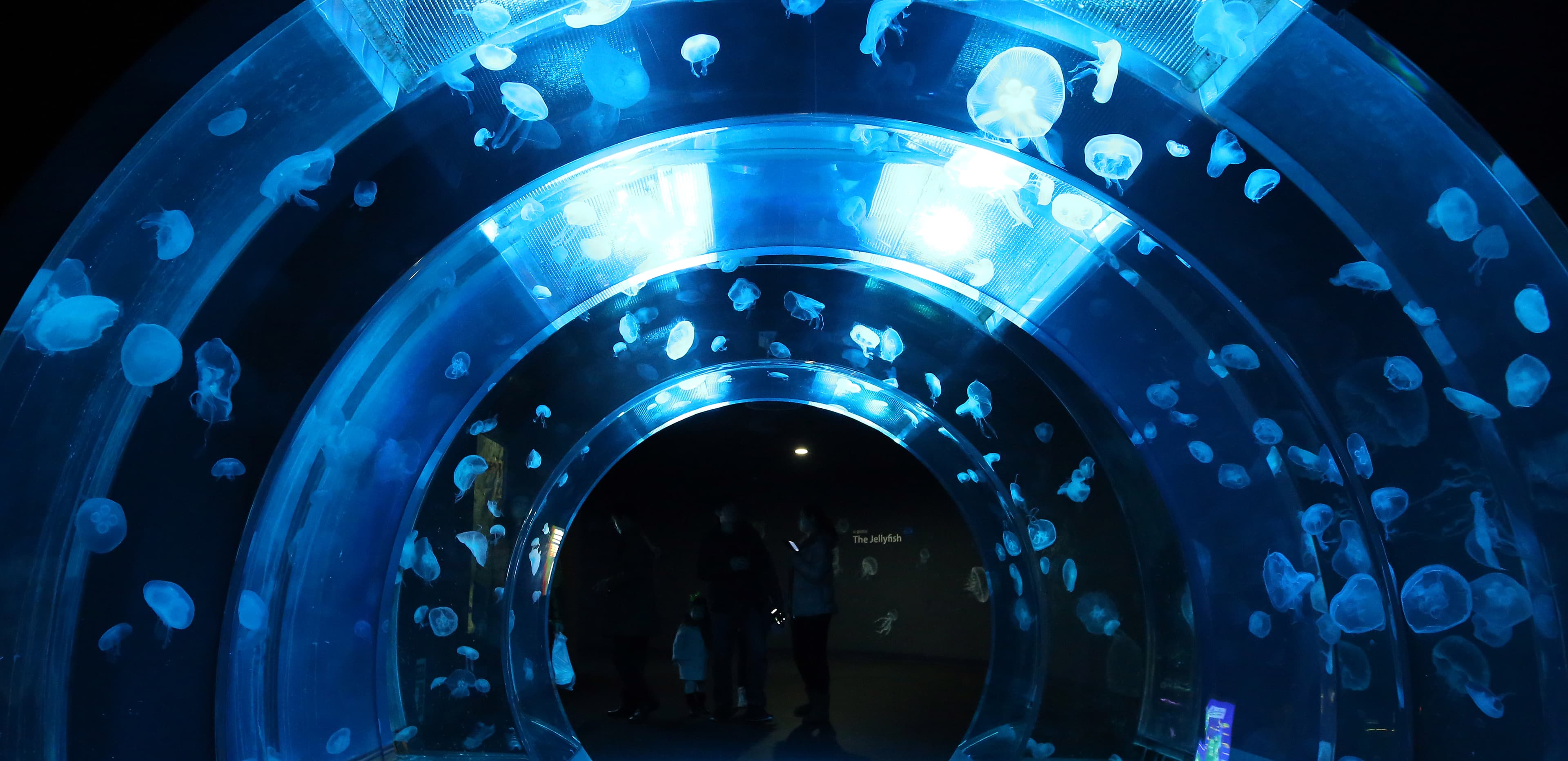
The aquarium whose glowing tanks framed Queen of Tears' proposal scene — a family-friendly stop in Goyang's Hallyu World district northwest of Seoul.
Appears in · 1
Filter by region or show, save the ones that make your heart race, then see them all on the map.
47 results

The aquarium whose glowing tanks framed Queen of Tears' proposal scene — a family-friendly stop in Goyang's Hallyu World district northwest of Seoul.
Appears in · 1
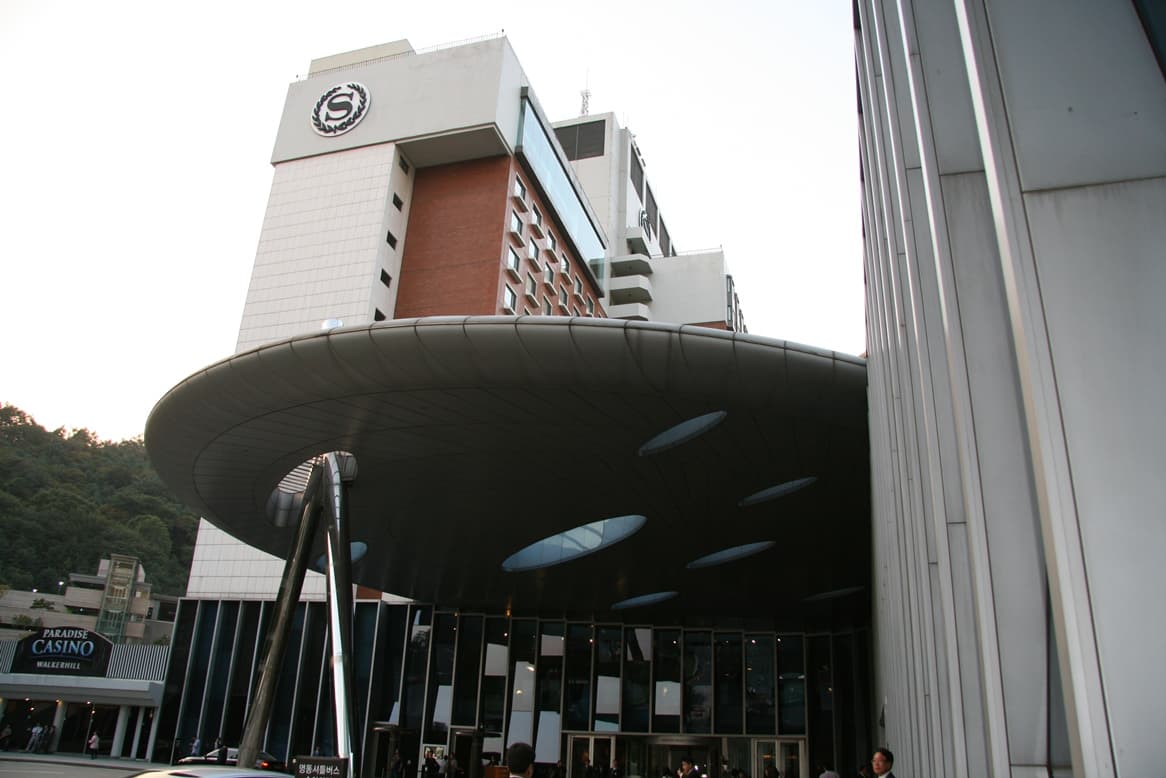
A hilltop event villa on the Grand Walkerhill estate overlooking the Han River — the storybook wedding venue of Queen of Tears. It hosts private events, but the hotel grounds and river views are enjoyable to visitors.
Appears in · 2
A 500-year-old hackberry tree crowning a village hill, star of Extraordinary Attorney Woo's beloved 'Sodeok-dong' episodes. After the show aired it was designated a national Natural Monument.
Appears in · 1

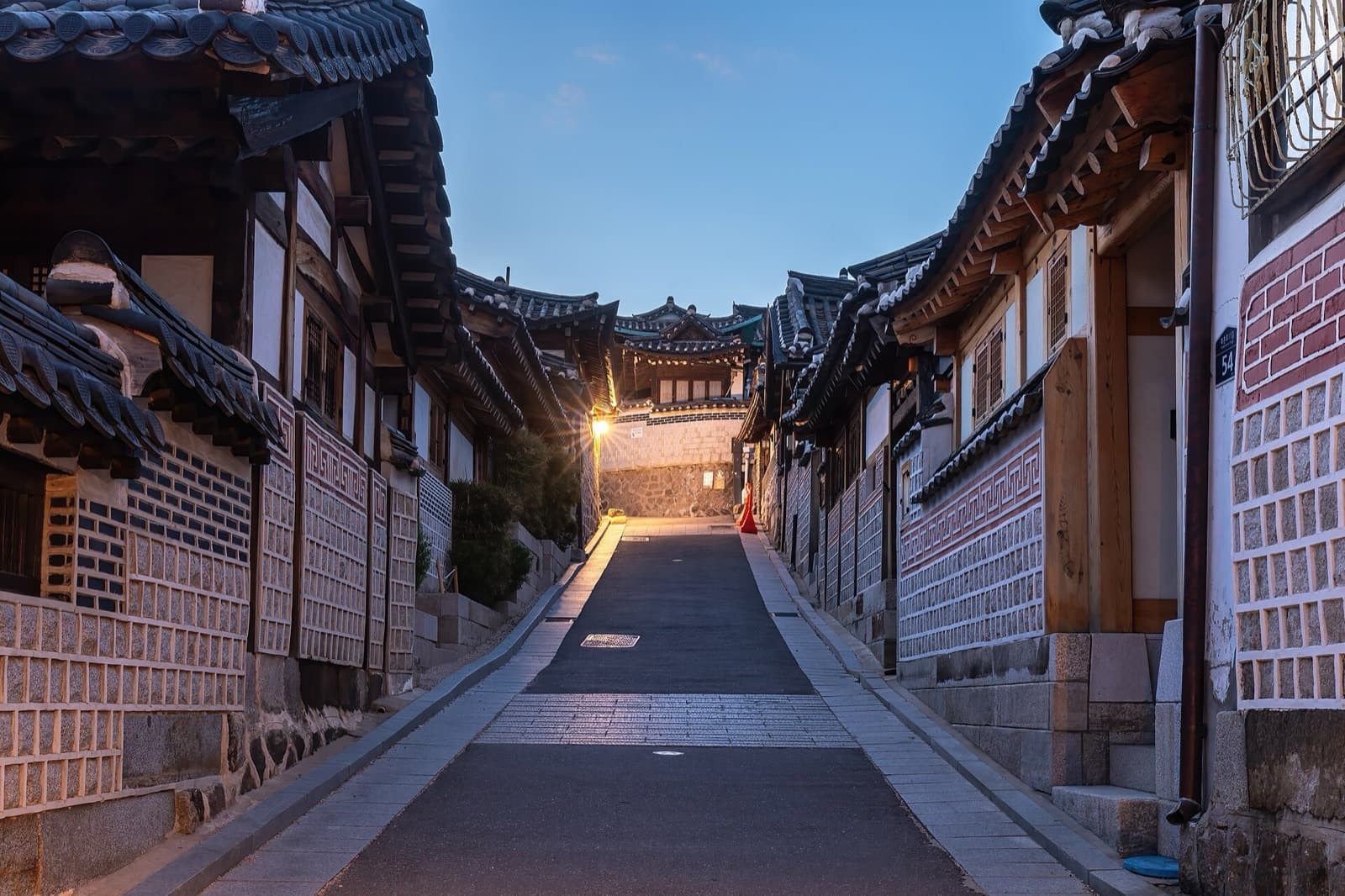
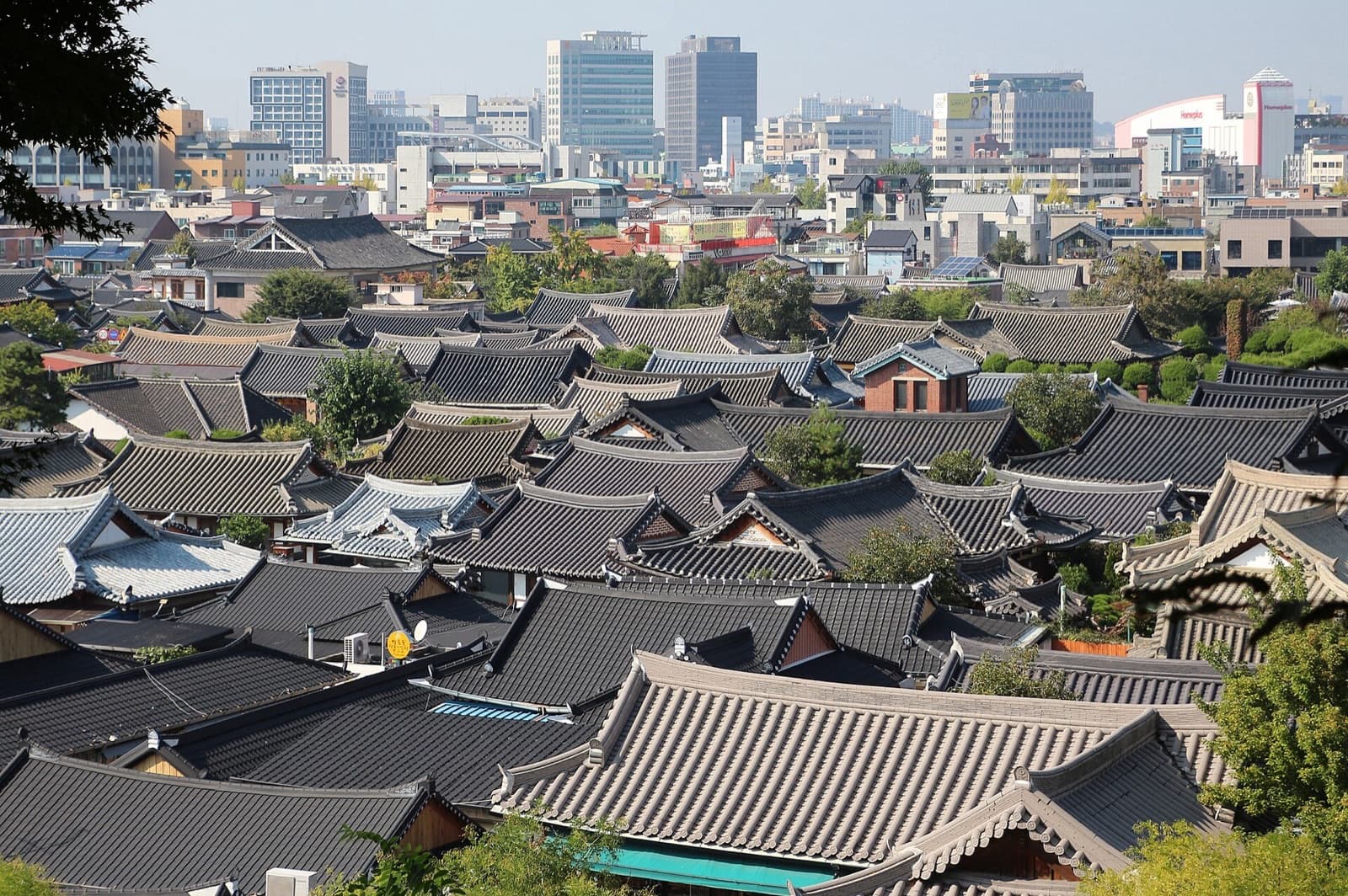
Six hundred years of tiled hanok rooftops folded between two palaces — Seoul's most photographed traditional quarter and the dreamlike stage of KPop Demon Hunters' rooftop duet.
Appears in · 1

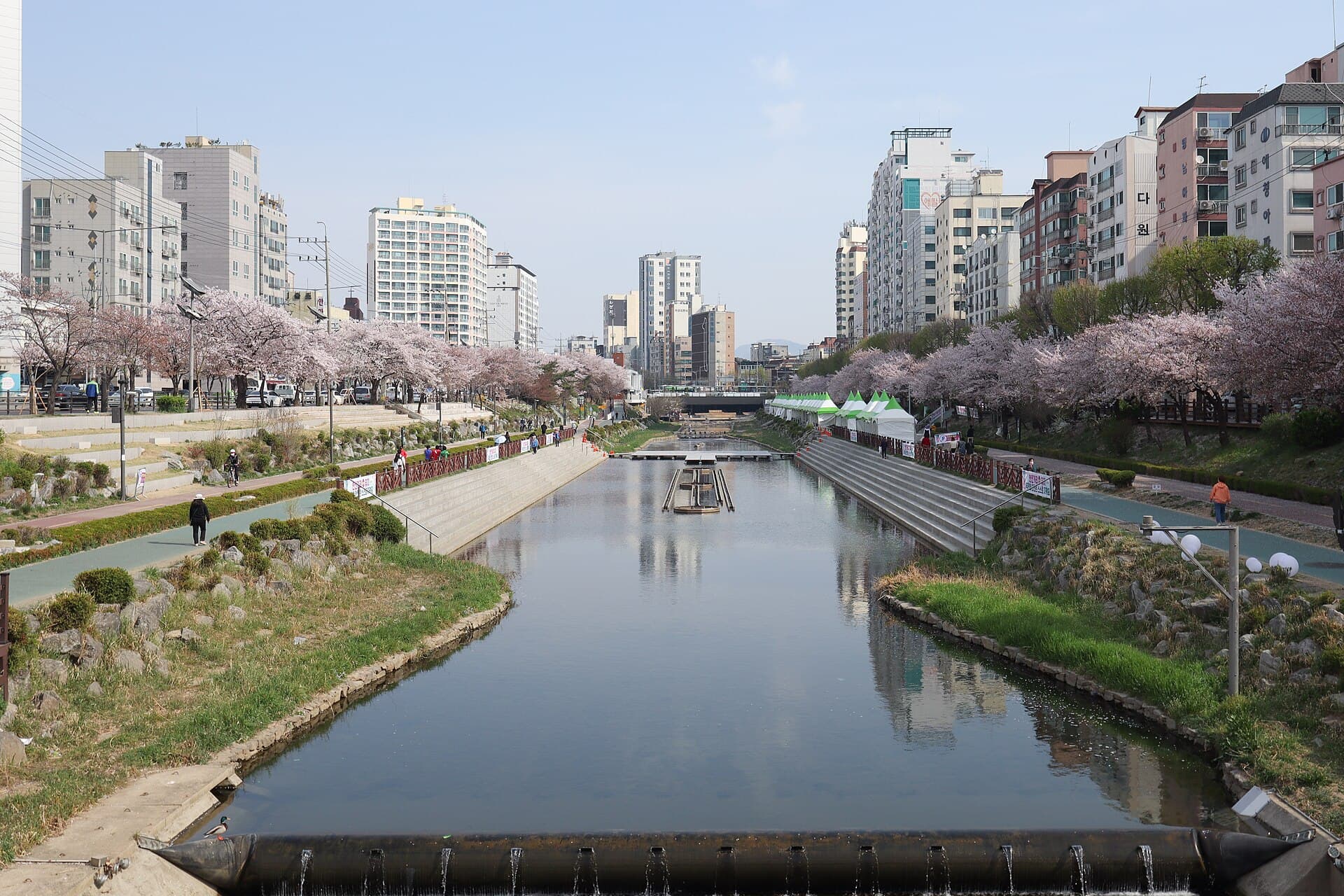
A cherry-tree-lined neighborhood stream in northwest Seoul where Moving staged its most quietly spectacular flying scenes. In April the banks turn into one of the city's least touristy blossom tunnels.
Appears in · 1

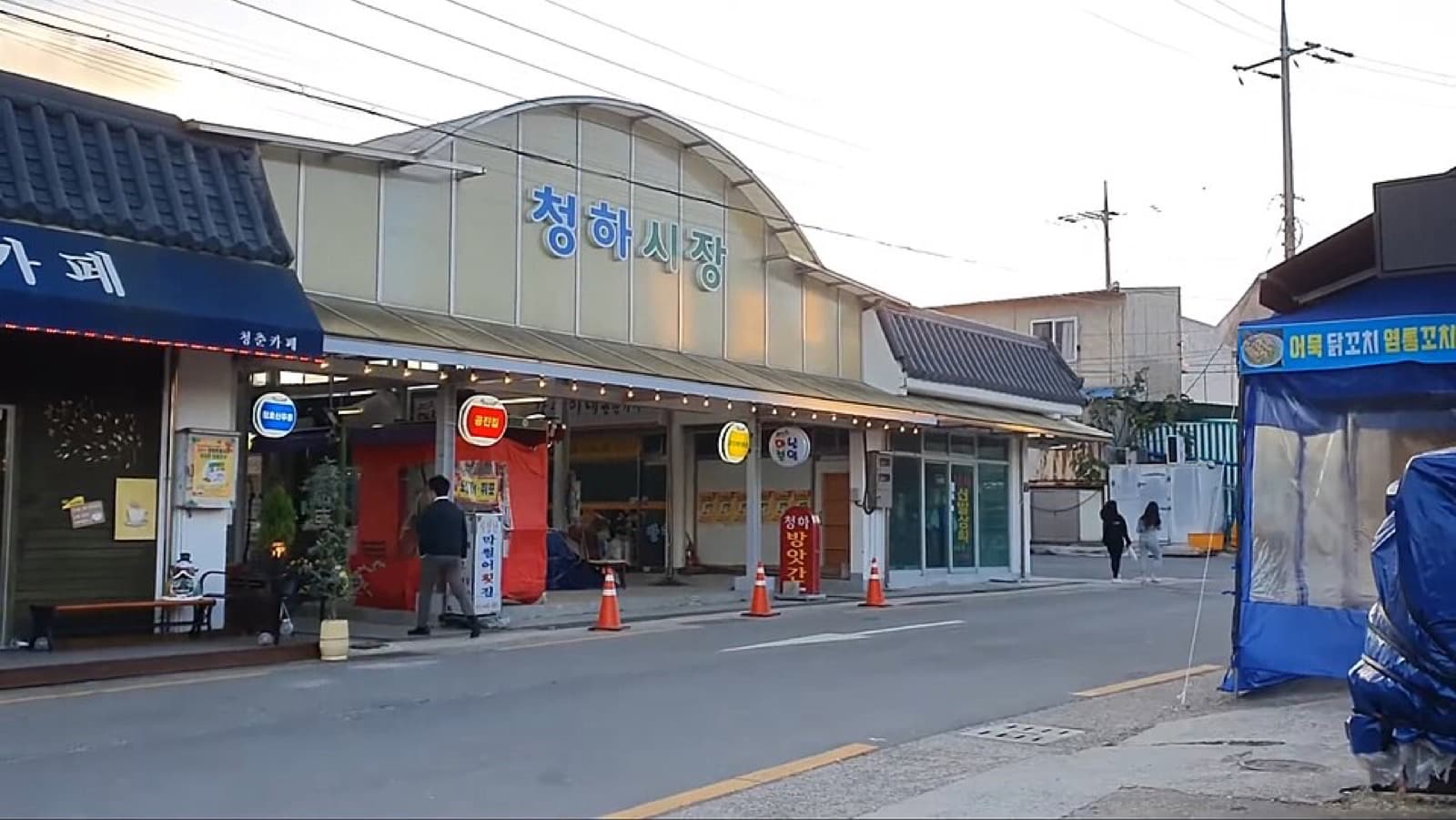
The small-town market that became Gongjin's beating heart in Hometown Cha-Cha-Cha. Drama photo zones and preserved set storefronts sit among real grandmother-run stalls.
Appears in · 1

The plaza with Korea's most famous curved LED mega-screen, flashing idol premieres and digital art — the beating billboard heart of KPop Demon Hunters' idol world.
Appears in · 1

Two hundred blue shipping containers stacked into Korea's signature pop-up mall — indie fashion, food trucks and terraces. Its unmistakable blue grid backdrops Vincenzo's lighter city scenes.
Appears in · 1

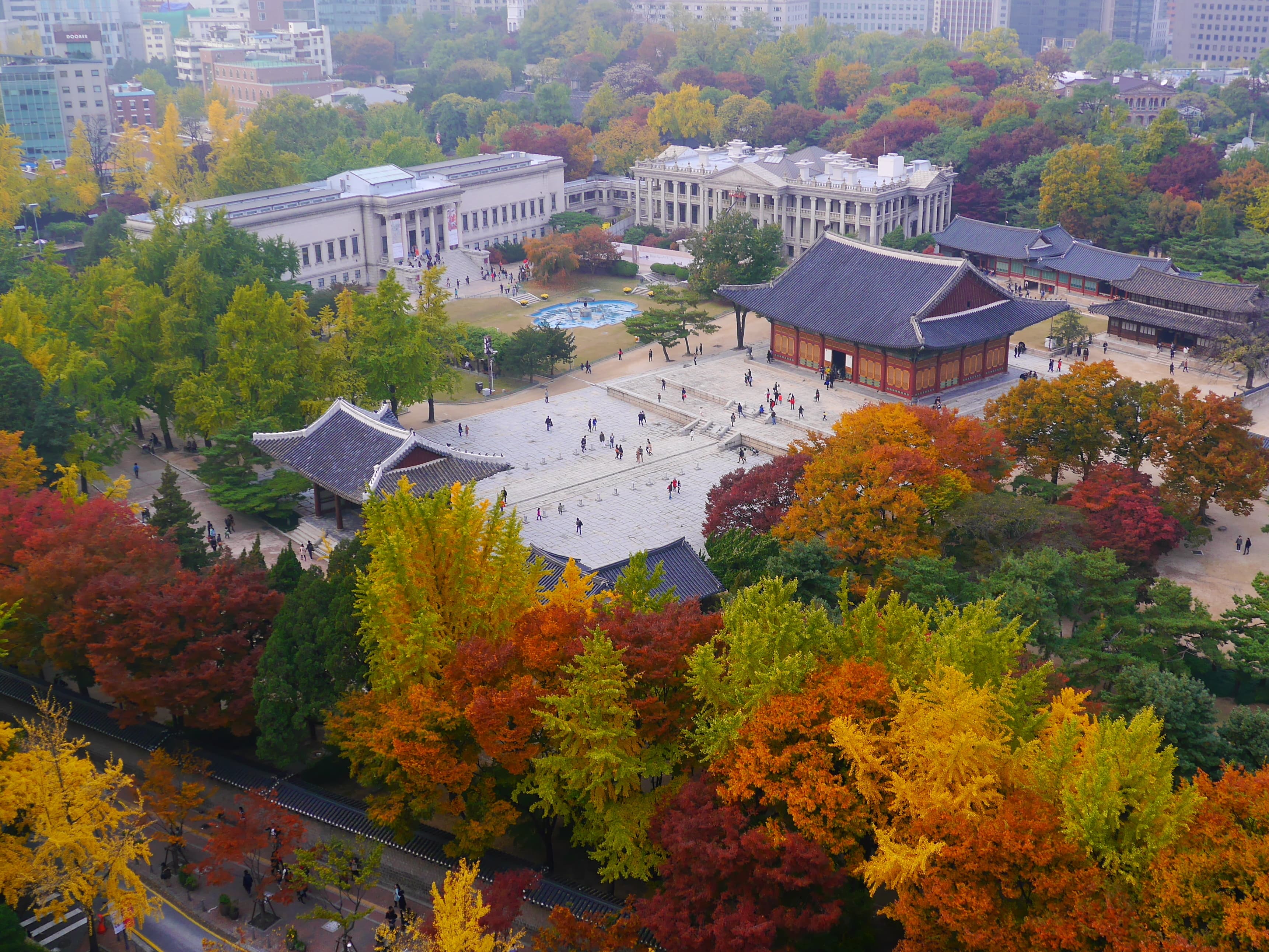
A gently curving lane along the stone wall of Deoksugung Palace, a favorite of K-drama location scouts for decades and one of Goblin's signature strolls. Gingko season turns it gold.
Appears in · 1

Seoul's oldest mega-market — fabric floors, mung-bean pancake alleys and wholesale energy around the clock. Moving grounded its most human backstory here, among stalls that have run for generations.
Appears in · 1

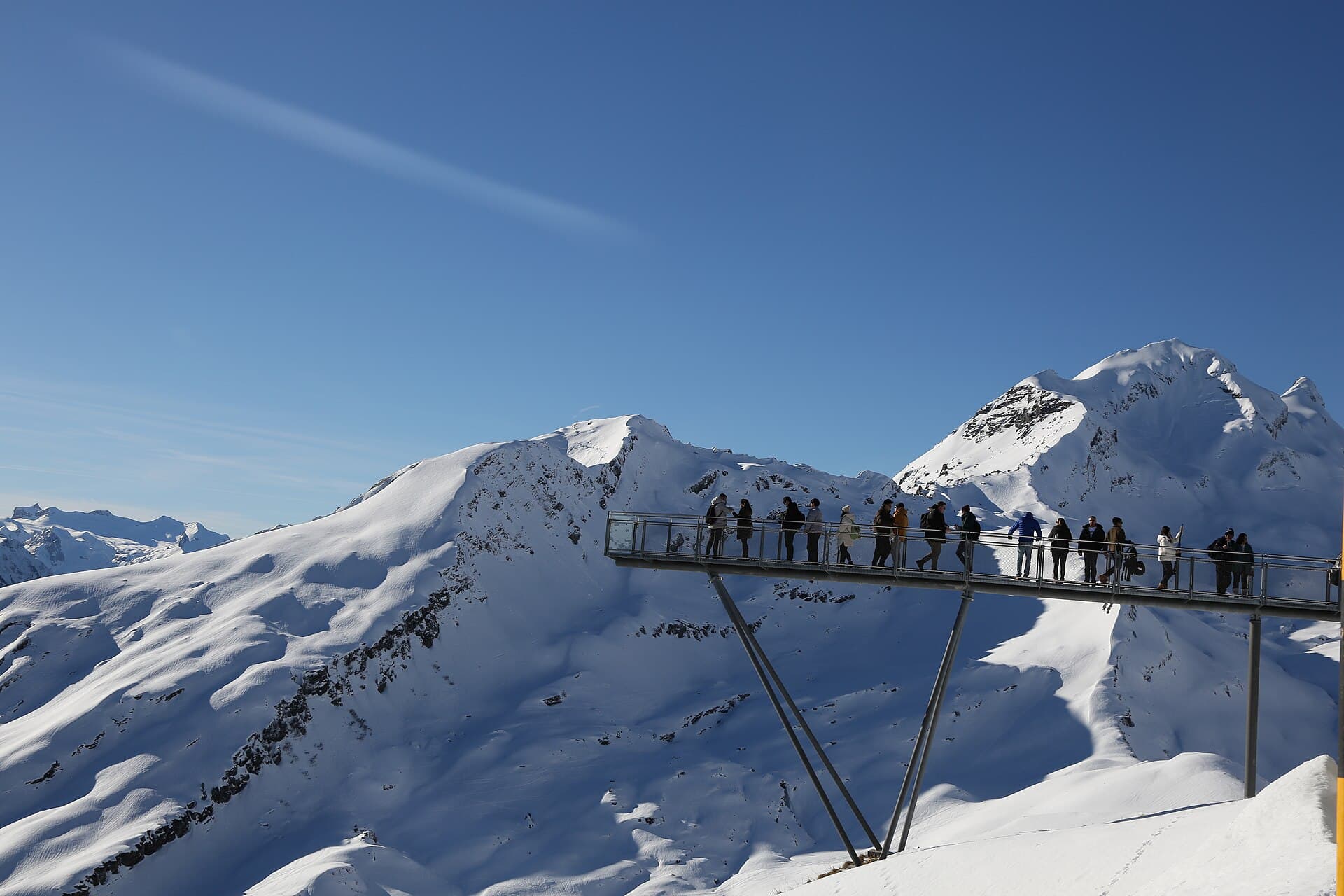
A metal walkway bolted to the cliff face at the First summit above Grindelwald, featured in Se-ri's Swiss memory scenes. The one-way platform juts out over a sheer drop with the Eiger in view.
Appears in · 1

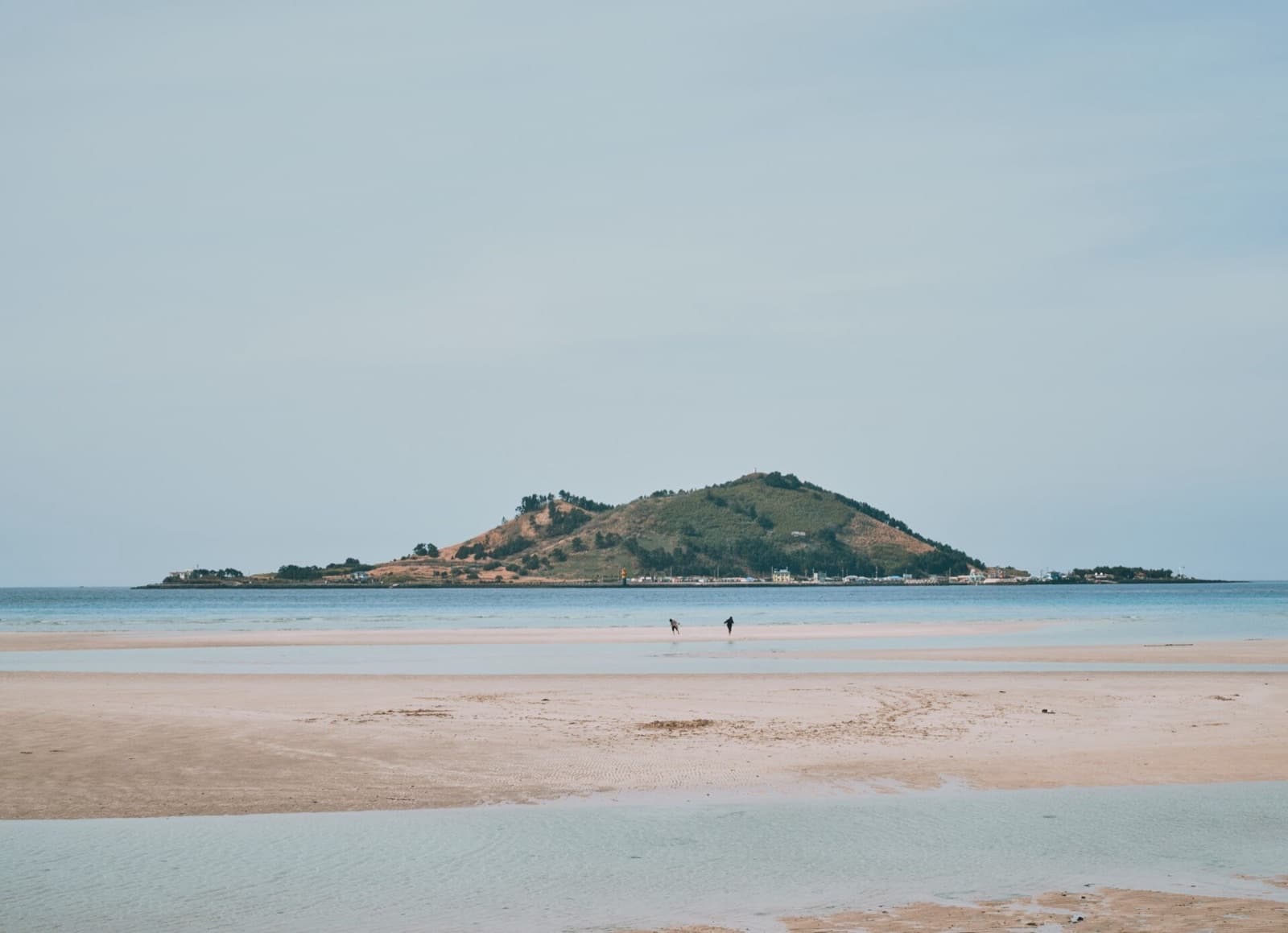
White sand, water in improbable mint gradients, and Biyangdo floating offshore — the western-Jeju coastline that played Our Blues' Pureung Village. Shallow tides make it Jeju's gentlest swim.
Appears in · 1
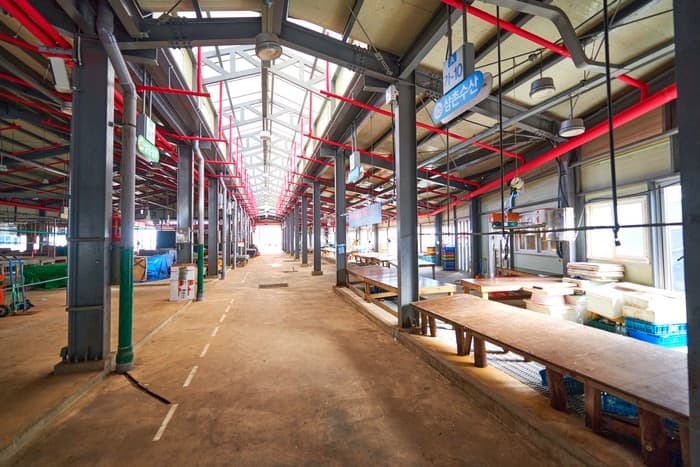
One of the working five-day markets behind Our Blues' fictional Seopseop Market — tangerine crates, sea-smelling tarps and vendors who all seem to know each other's whole biography, exactly like the show.
Appears in · 1

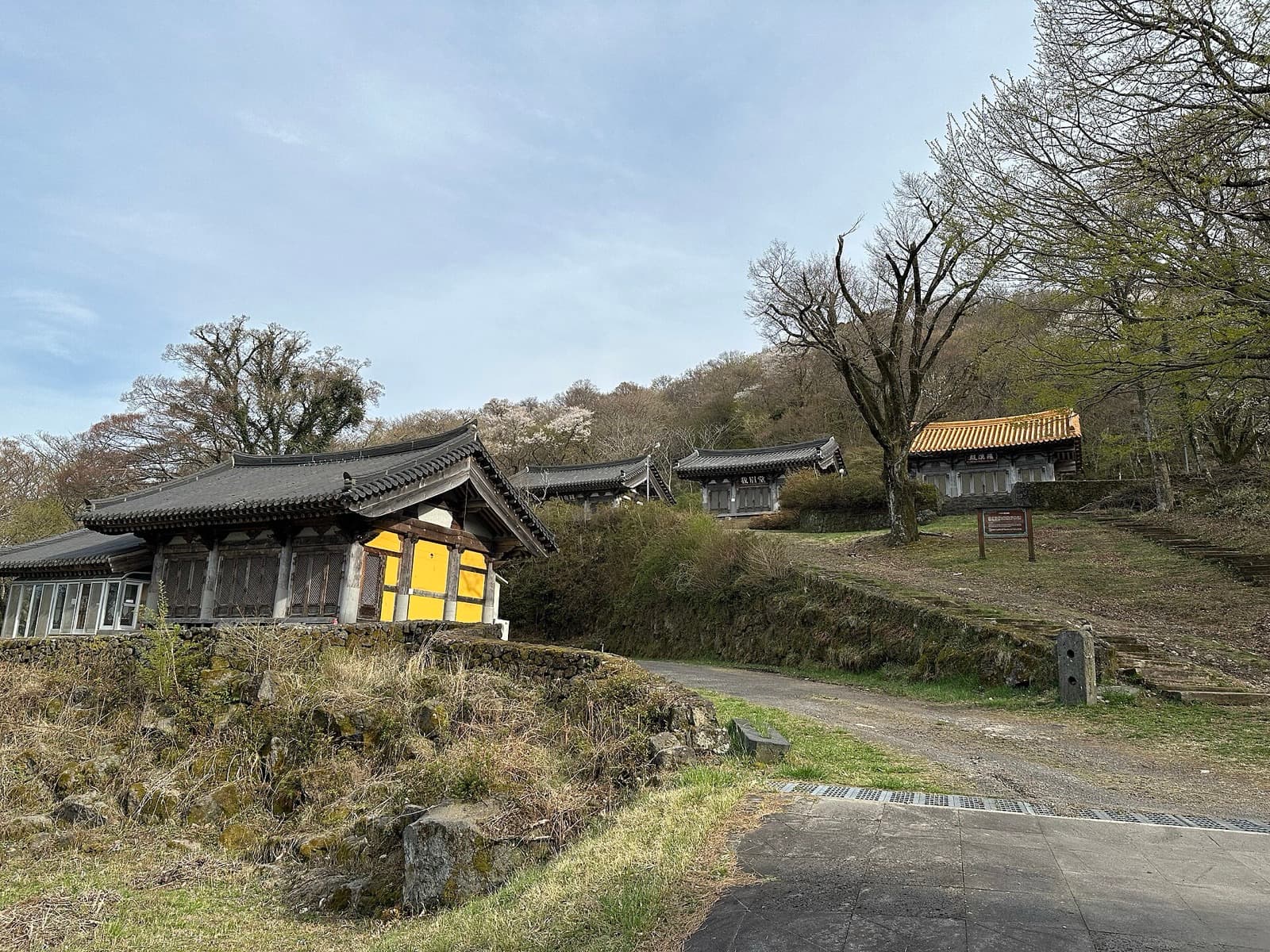
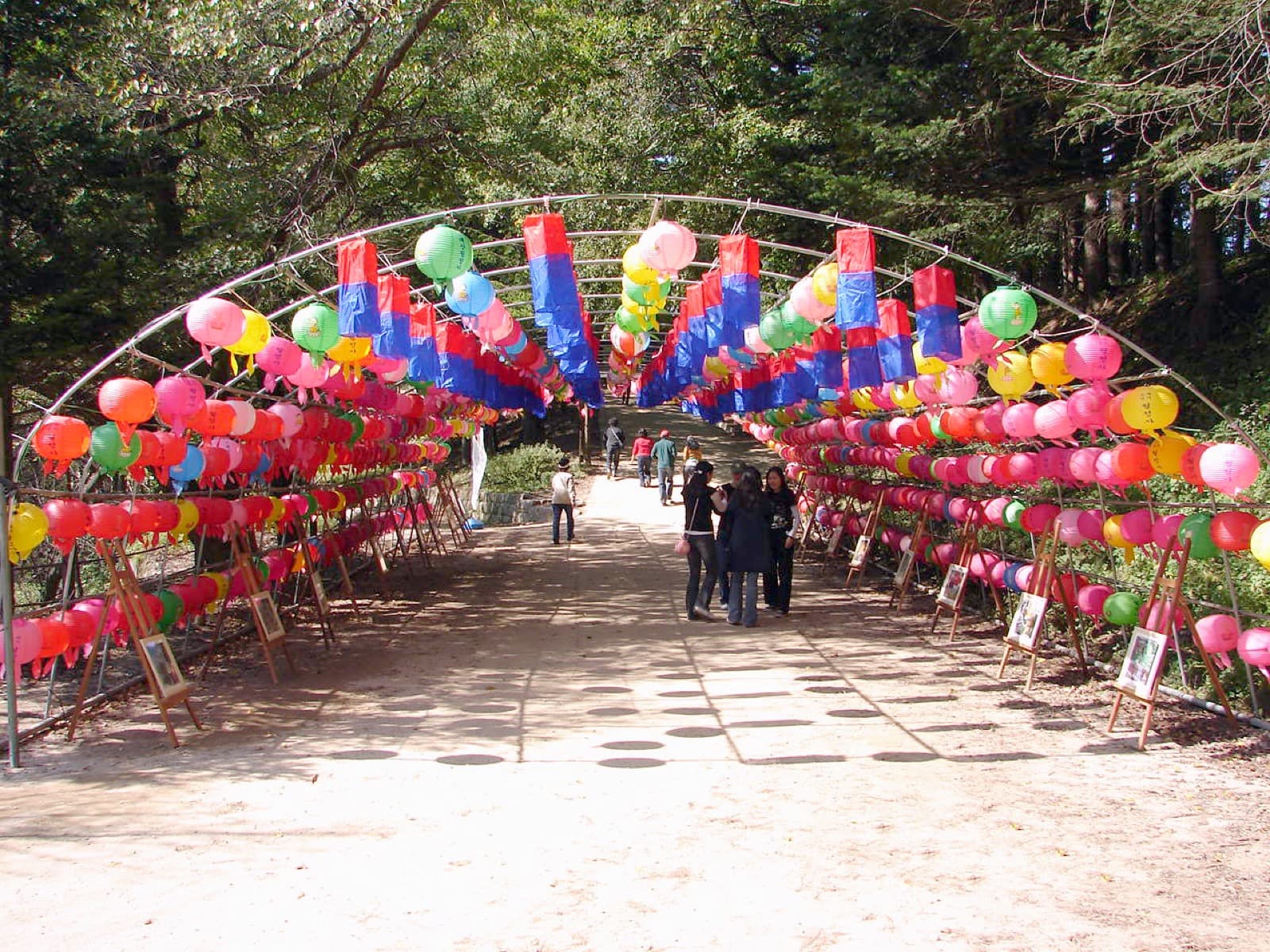
Jeju's head Buddhist temple on Hallasan's northern slope, lined with stone lanterns and cherry trees — the site of Welcome to Samdal-ri's quiet blessing scene.
Appears in · 1

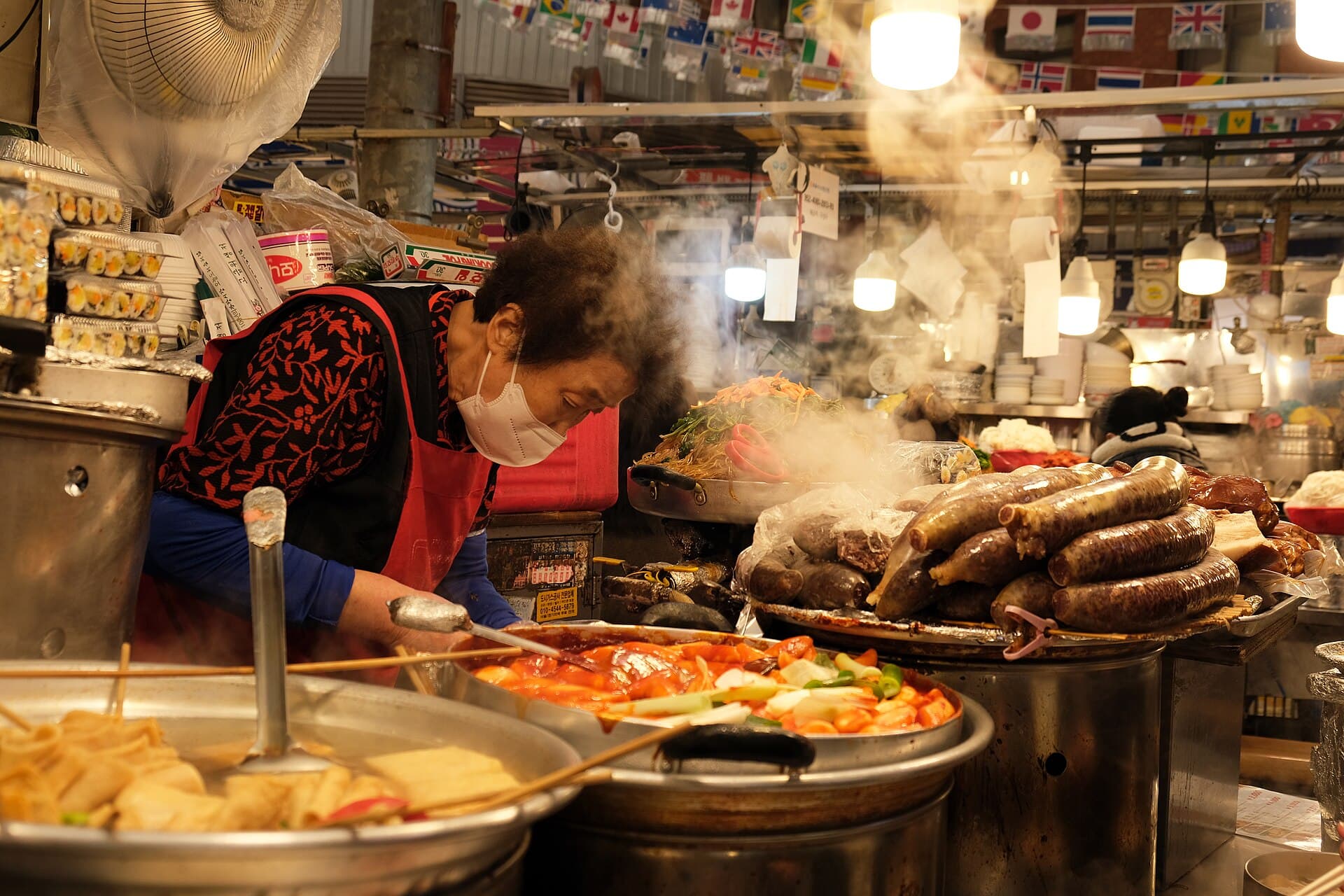
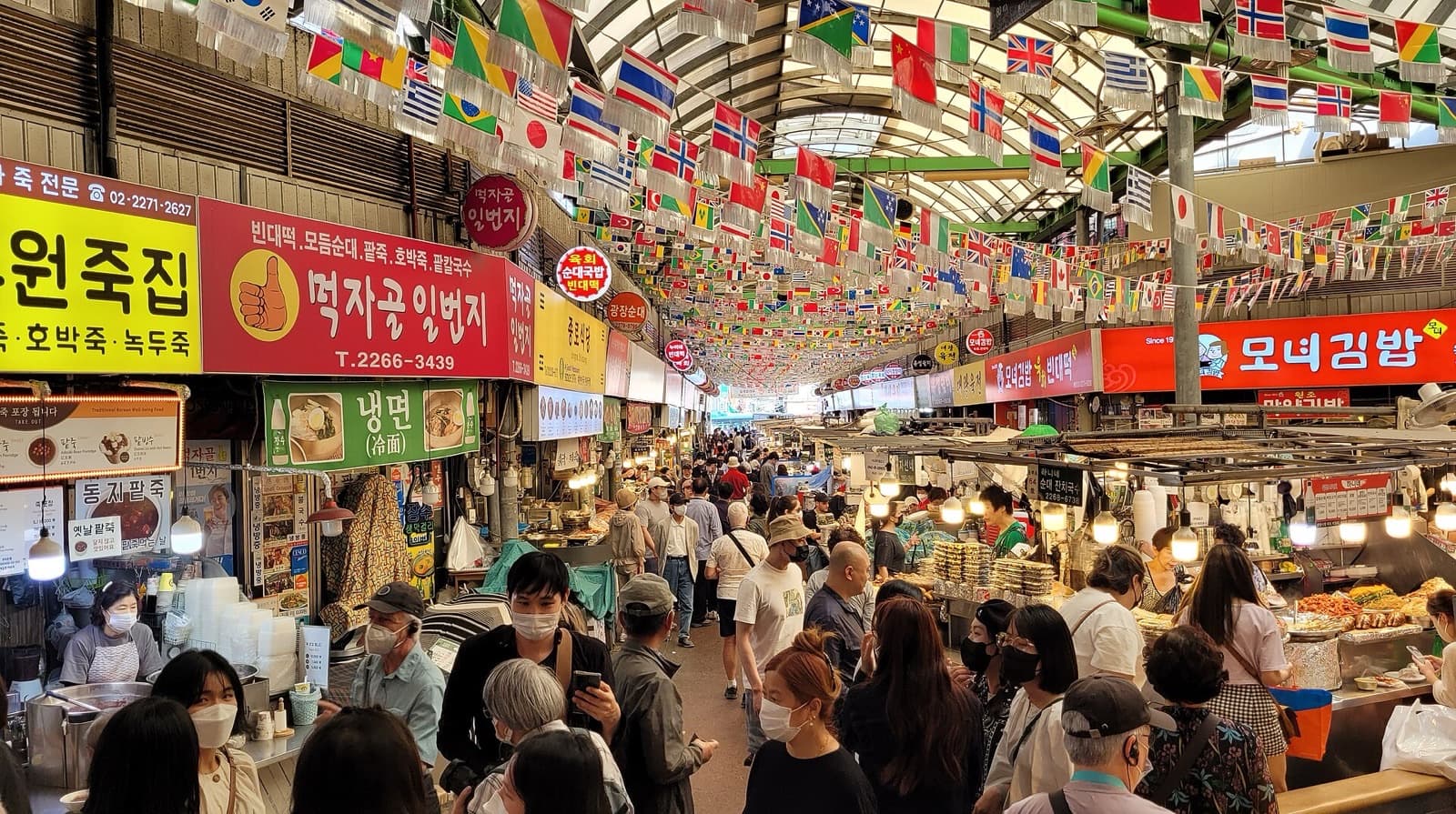
A century-old covered market that global food shows keep returning to — sizzling mung-bean pancakes, mayak gimbap, and the raw-beef yukhoe alley. The living context for everything Culinary Class Wars celebrates.
Appears in · 1

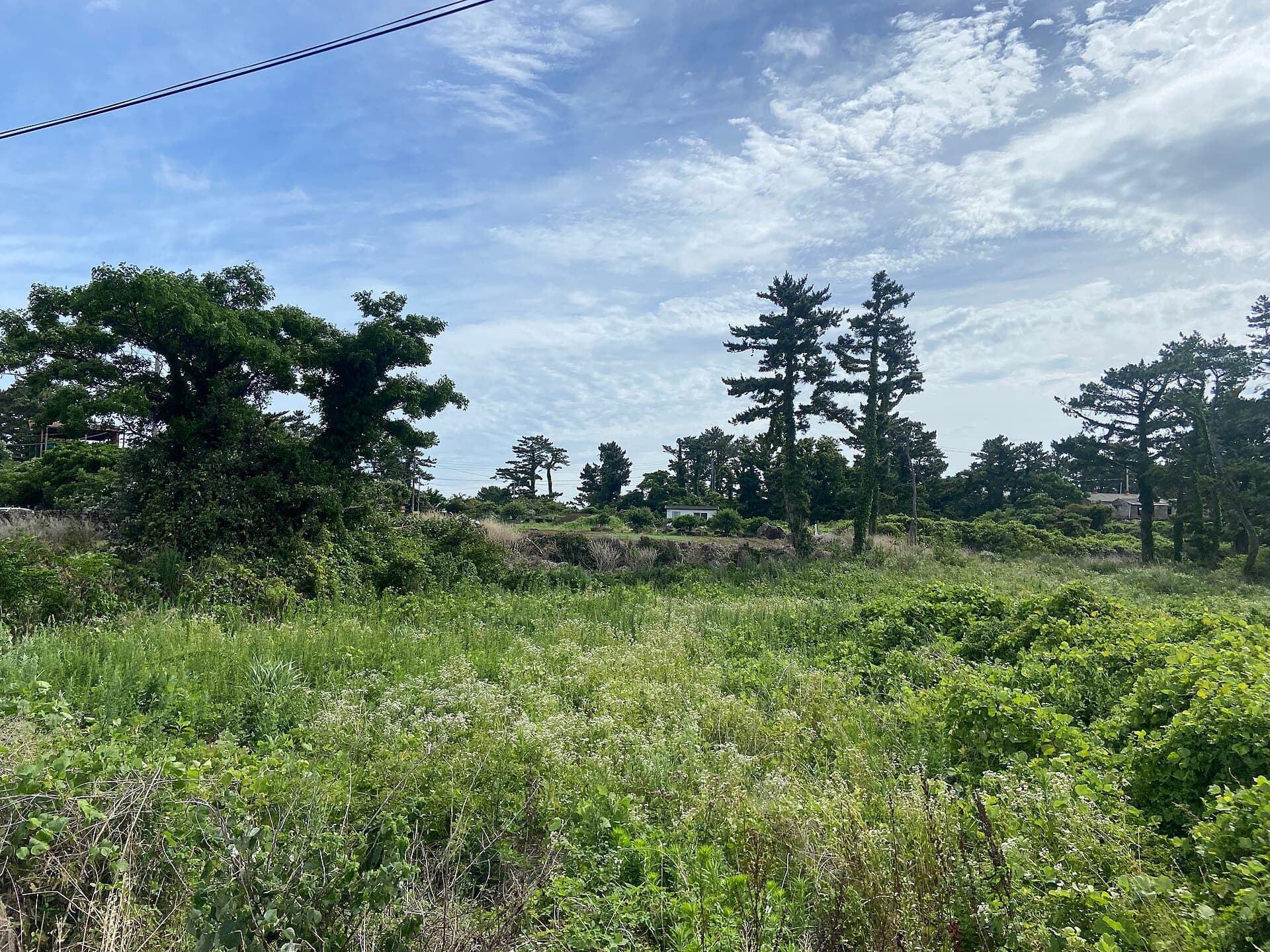
A rural Aewol village of black lava-stone walls and low farmhouses that stood in for Ae-sun's hometown in When Life Gives You Tangerines — vintage Jeju, unchanged in the ways that matter.
Appears in · 1

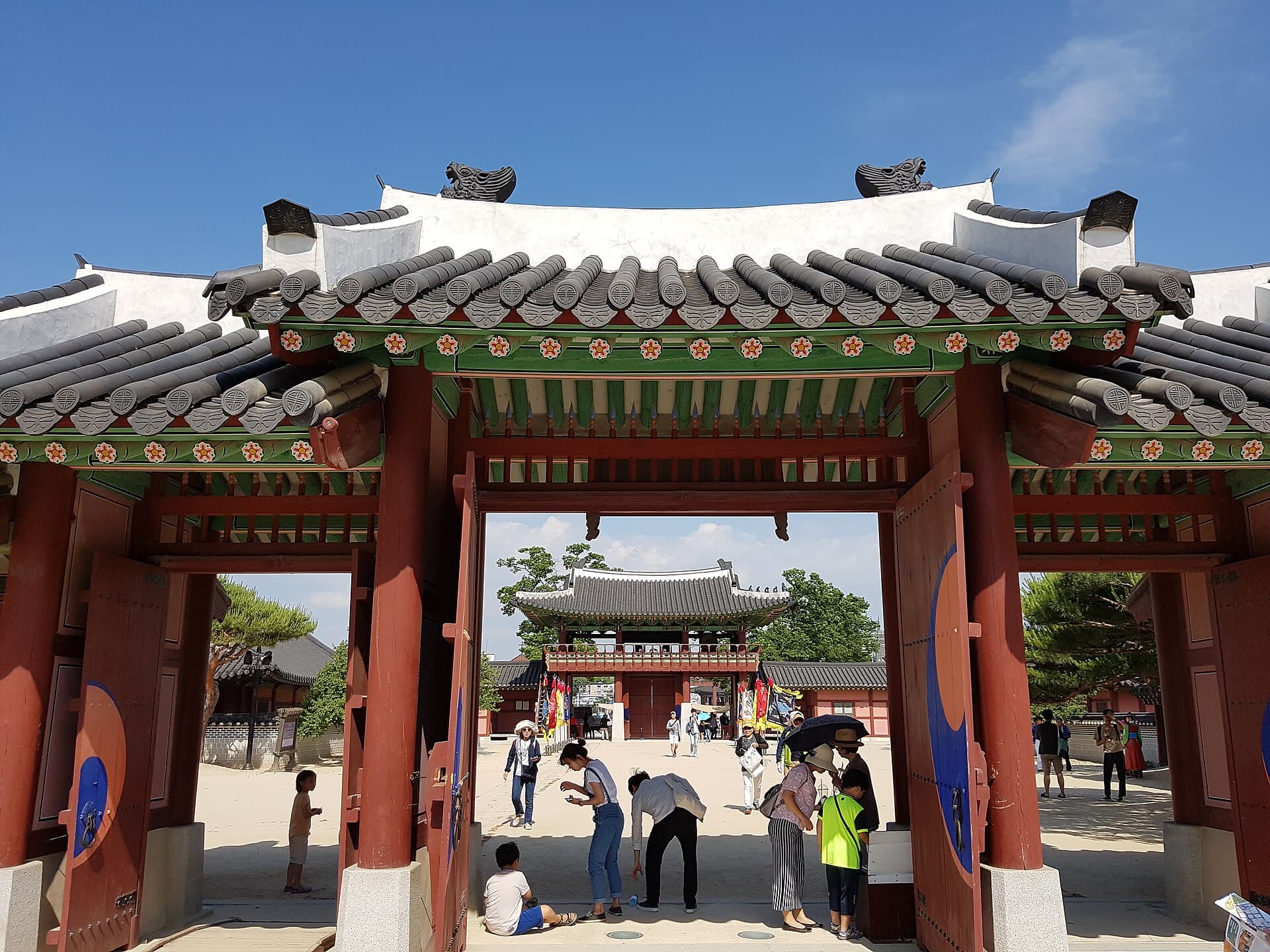
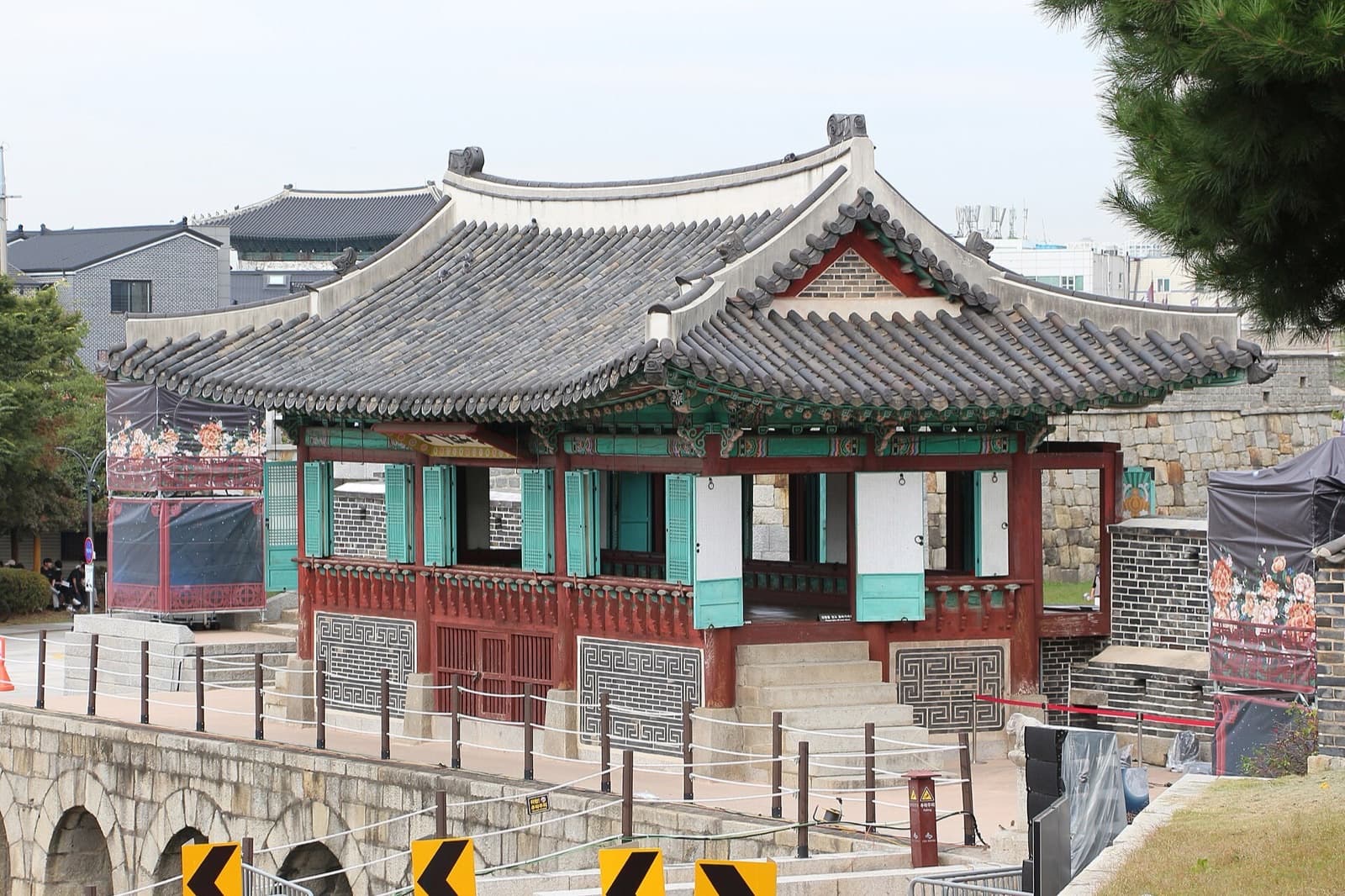
The retro fortress-village quarter inside Suwon Hwaseong — indie cafes, murals and hanok-line streets that host Lovely Runner's everyday scenes. Korea's tourism board publishes an official themed walk here.
Appears in · 1

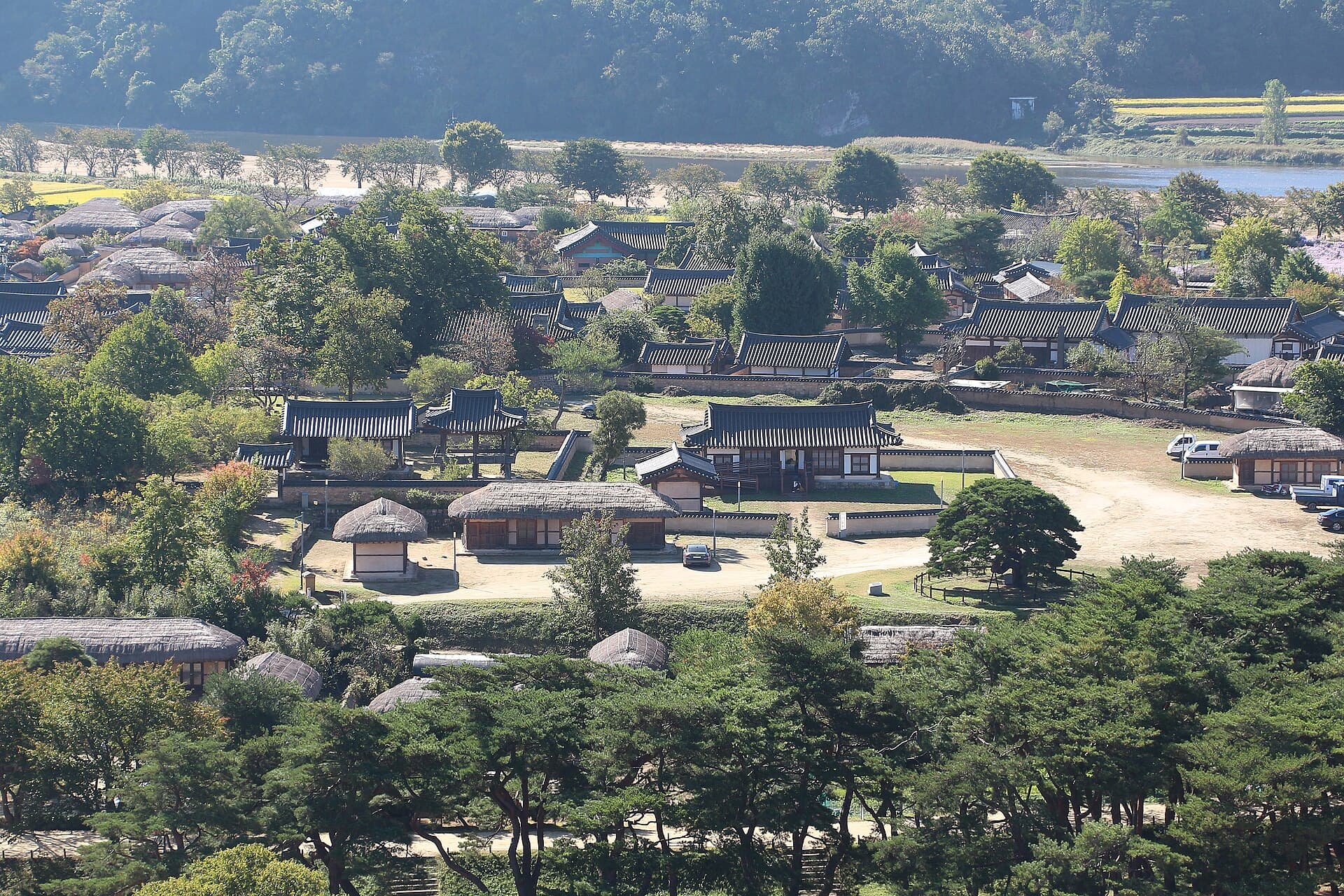
A UNESCO-listed riverside village of 600-year-old houses — so intact that Pachinko dressed its lanes, fields and river bend as 1910s Yeongdo. The homes are lived in; the past here is present tense.
Appears in · 1

A short, mossy former rail tunnel by the Jeonjucheon stream — and the emotional ground zero of Twenty-Five Twenty-One, where its most-replayed confessions and goodbyes were filmed.
Appears in · 1
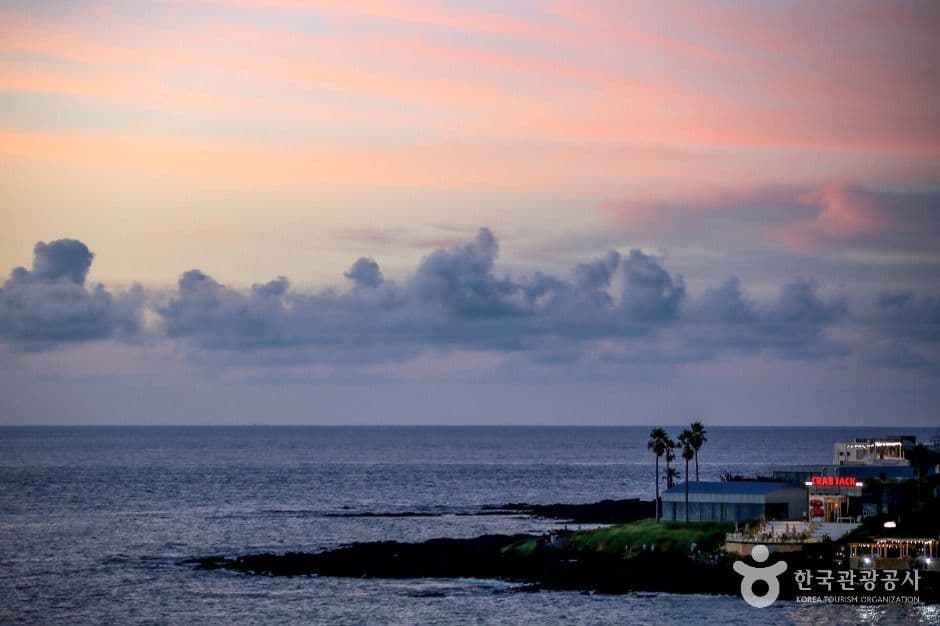
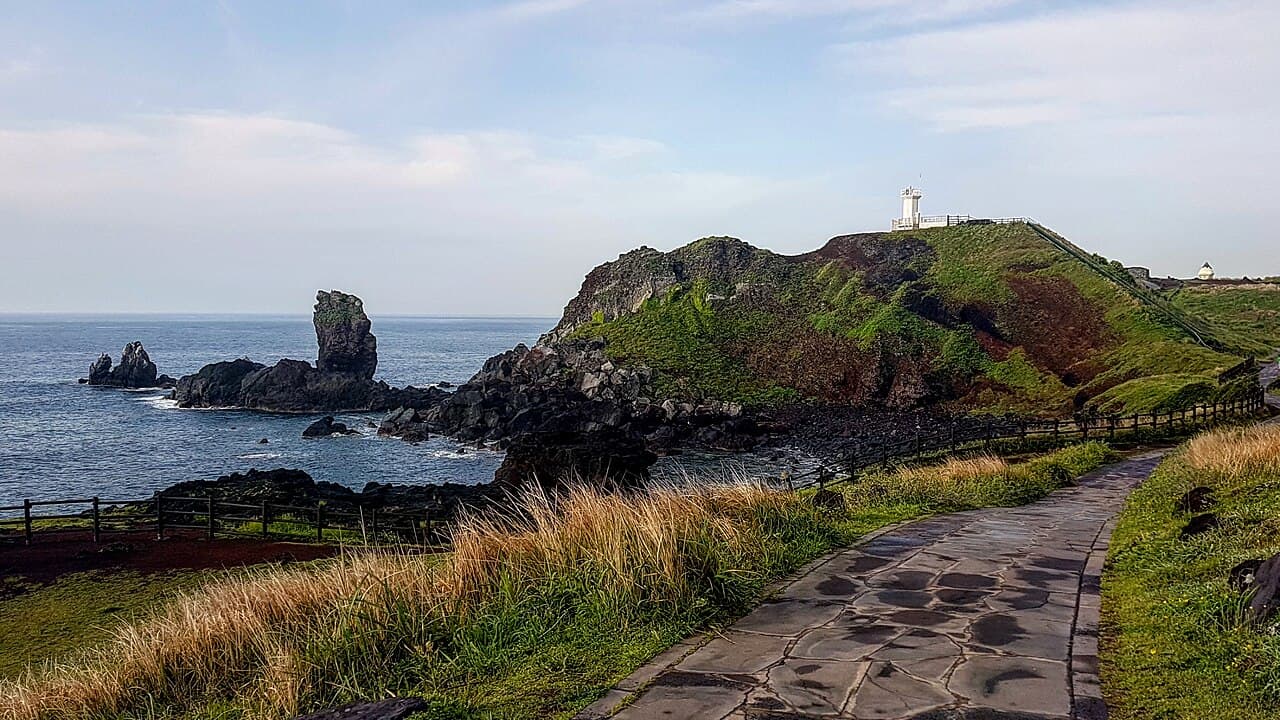
A turquoise-water walking path curling from Aewol Port to Gwakji Beach, featured in the drama's seaside interludes and beloved by cafe-hoppers — Aewol's cafe strip overlooks the trail.
Appears in · 1

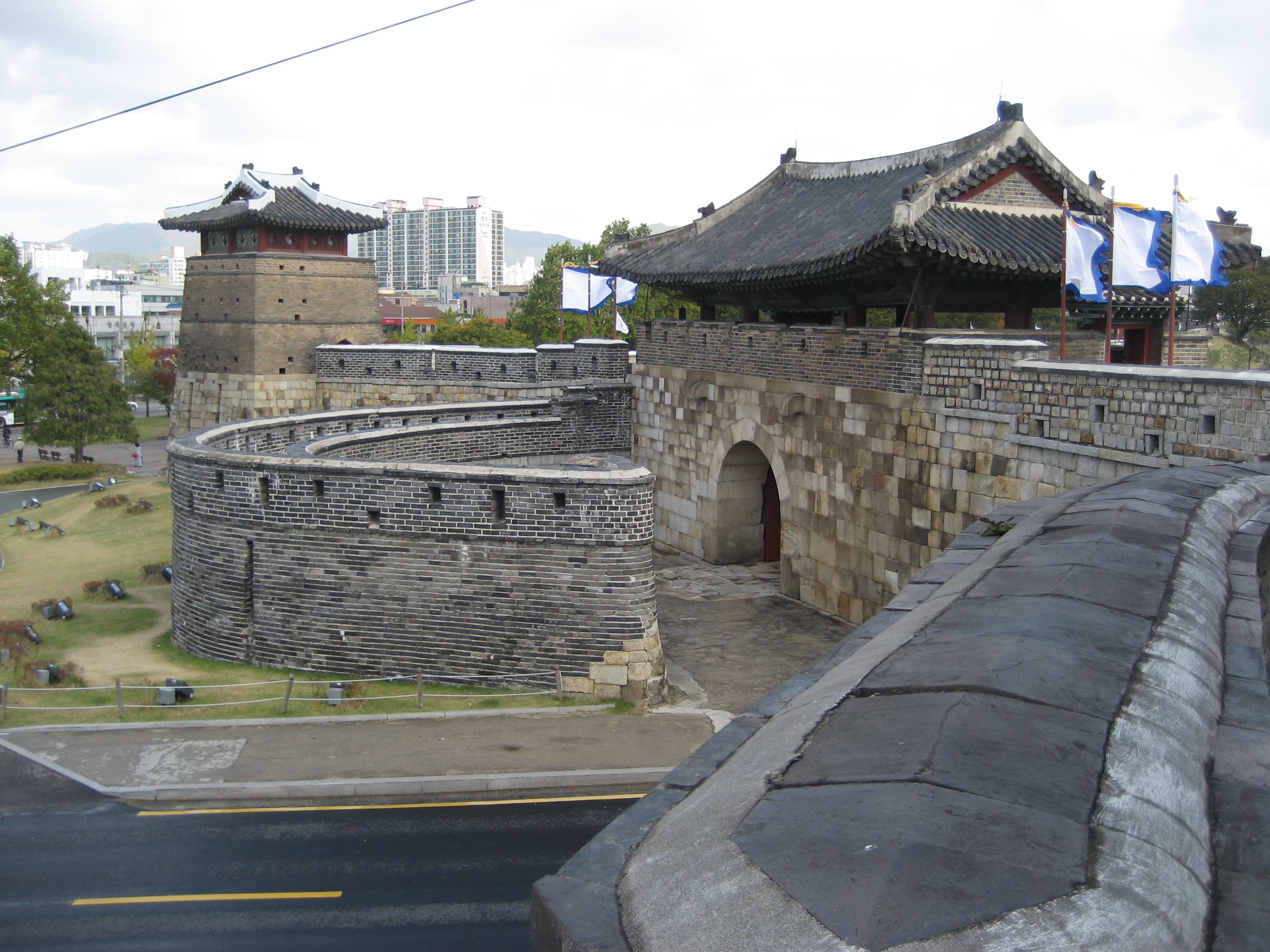
A graceful seven-arched water gate where Suwoncheon flows through the UNESCO-listed Hwaseong Fortress — backdrop to Lovely Runner's bus chase and comic beats.
Appears in · 1

The modest footbridge over Suwoncheon stream near Hwaseong Fortress's west gate — stage of Lovely Runner's confession scene, and now a magnet for fans re-enacting it umbrella in hand.
Appears in · 1
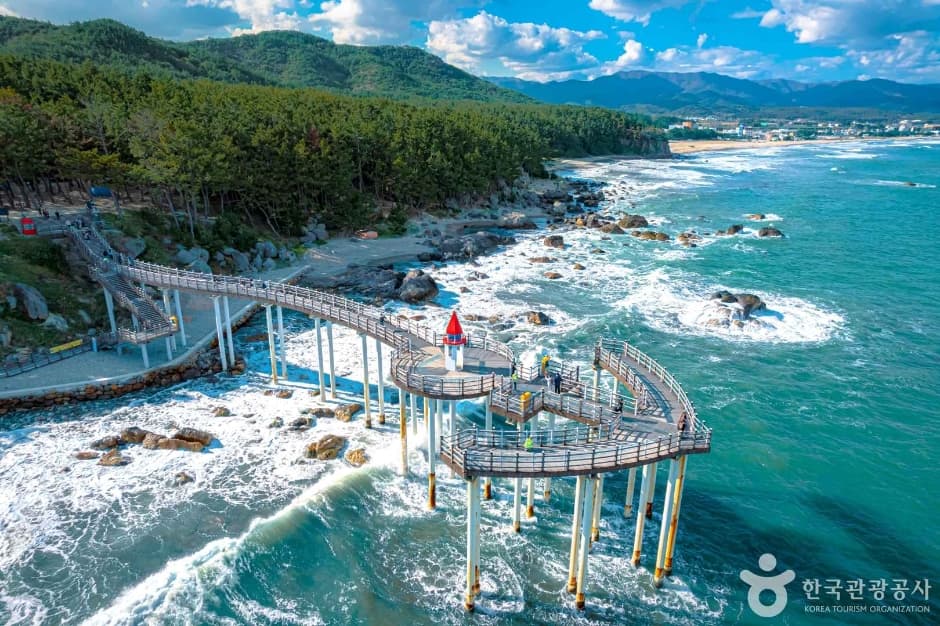
An anchor-shaped viewing deck stretching over the East Sea on Pohang's coastal road, featured in Hometown Cha-Cha-Cha's sweeping shoreline scenes.
Appears in · 1
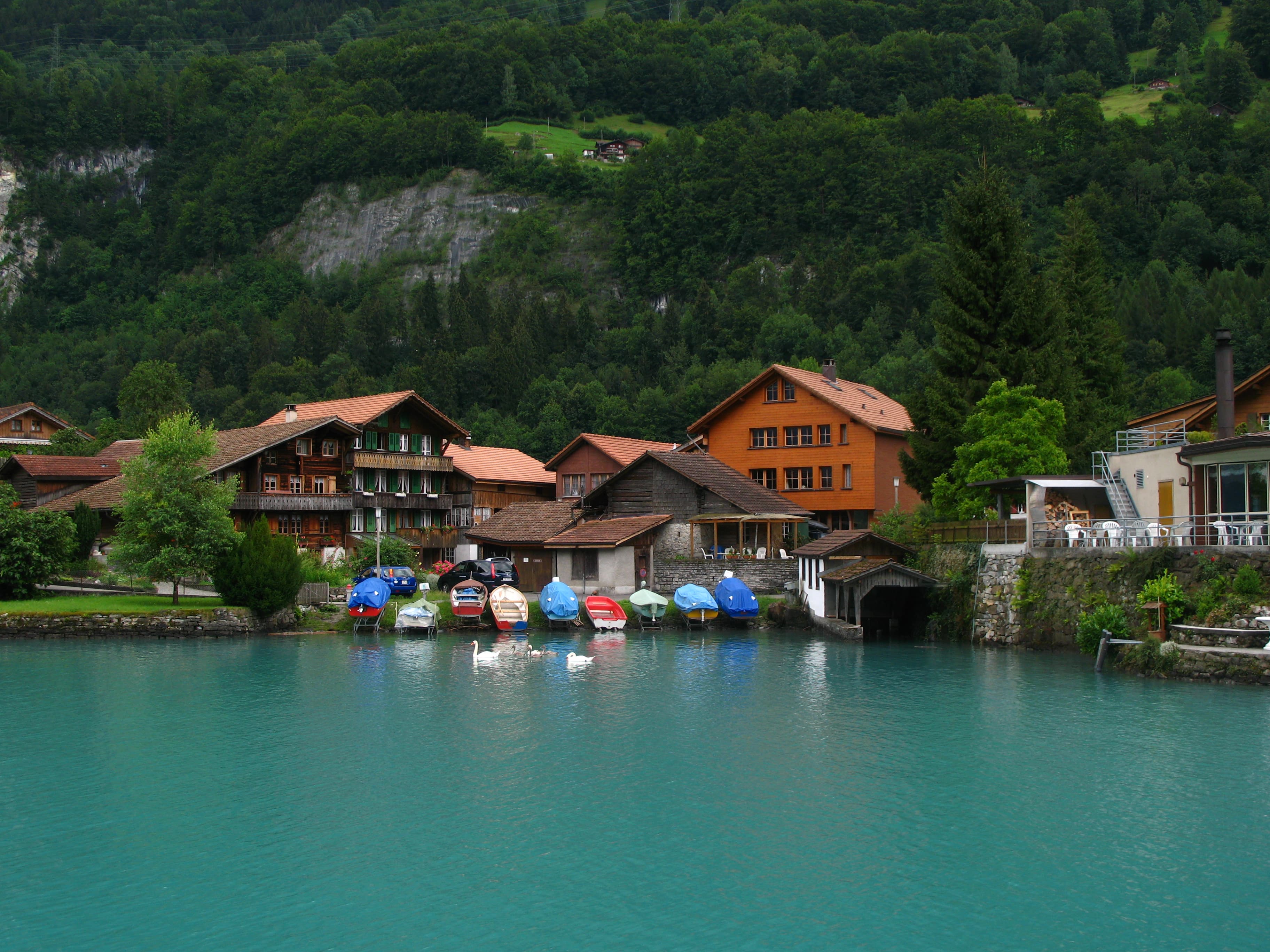
A small wooden pier on Lake Brienz that became world-famous as Captain Ri's piano spot in Crash Landing on You. The village now manages the crowds with a small photo turnstile — a striking case study in how one K-drama scene reshapes a destination.
Appears in · 1

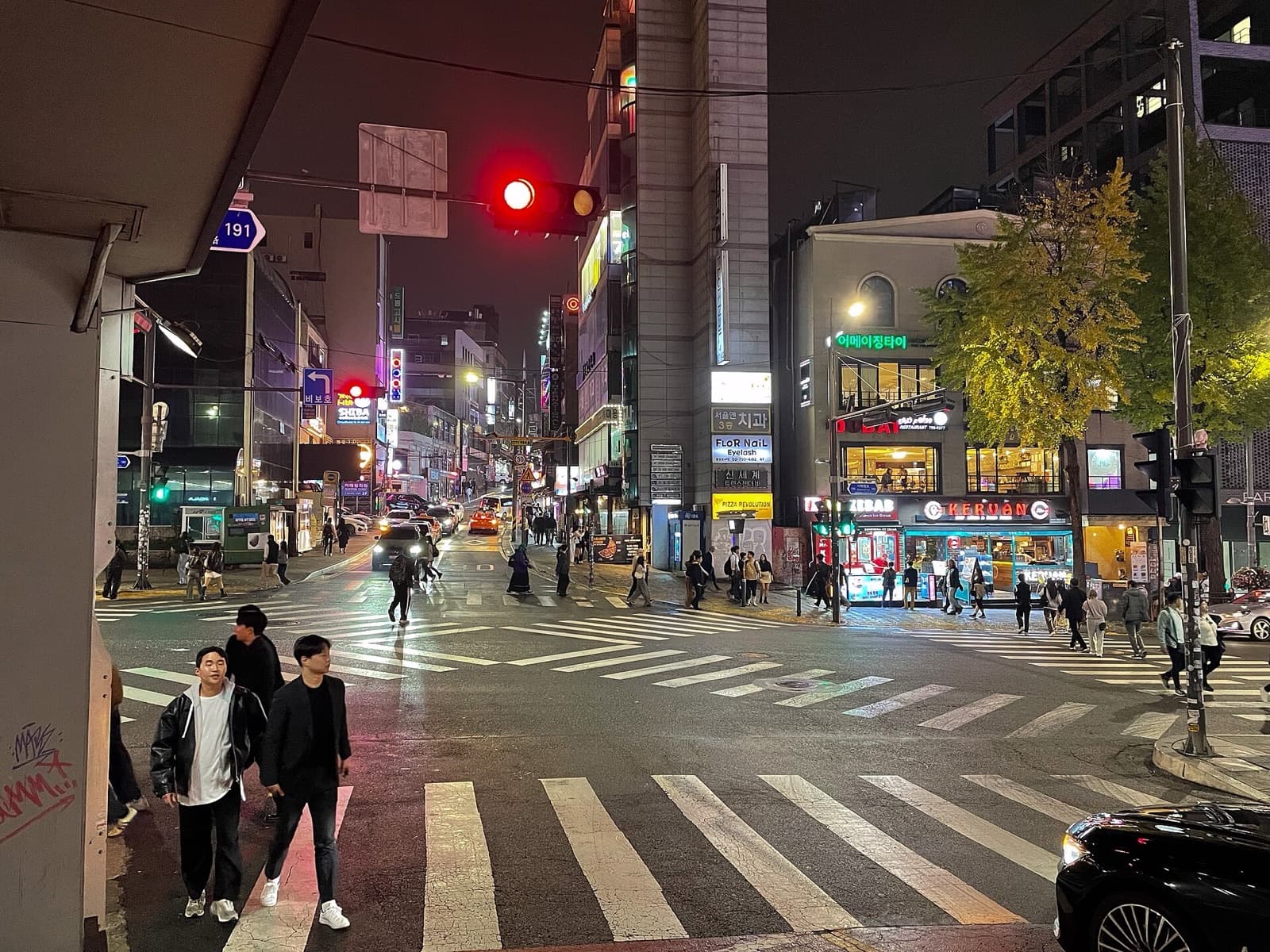
Seoul's most international quarter — the slopes, rooftop bars and neon alleys that gave Itaewon Class its underdog heartbeat. World food, vintage shops and nightlife pack the streets fanning off the main road.
Appears in · 1

Seven hundred tiled-roof hanok in Korea's food capital — the lanes, streams and rooftops that textured Hee-do's world in Twenty-Five Twenty-One, plus the bibimbap and choco-pie pilgrimages Jeonju was already famous for.
Appears in · 1

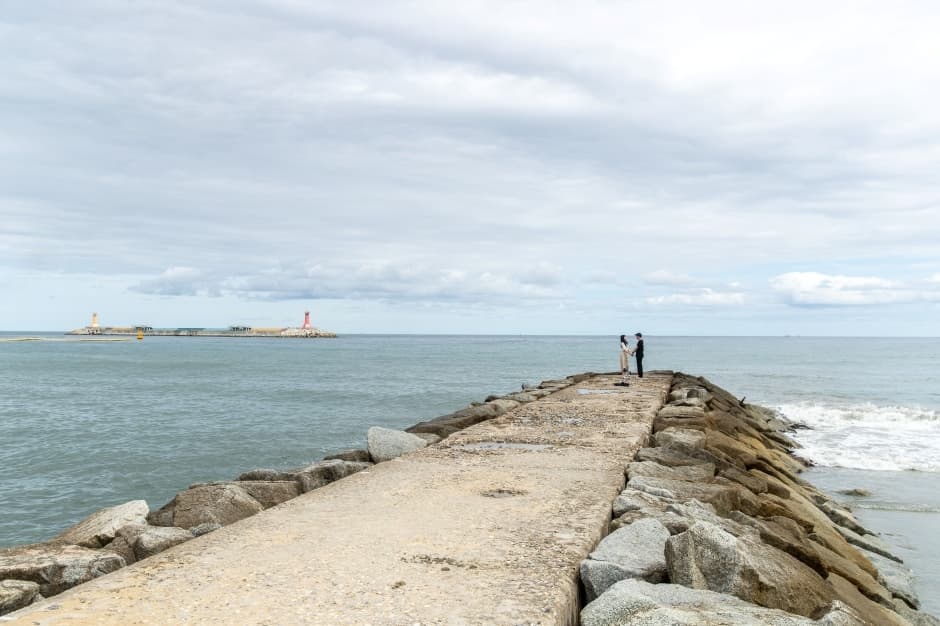
A plain concrete breakwater that Goblin transformed into Korea's most romantic seaside stage. On weekends fans line up — bouquet in hand, red scarf optional — to recreate the summoning scene frame for frame.
Appears in · 1
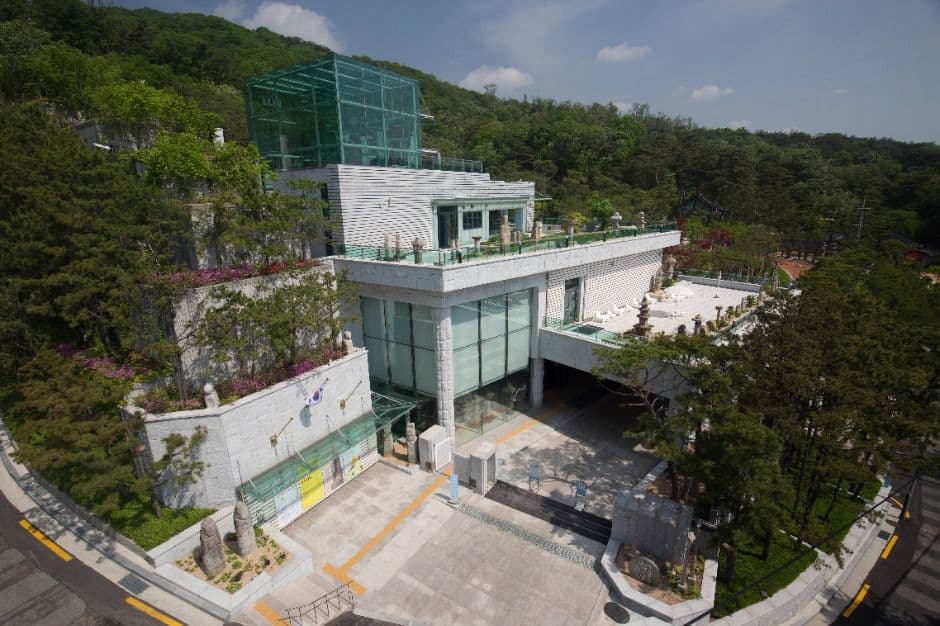
A hillside museum of centuries-old stone guardians, pagodas and quiet gardens that played the Queens family mansion in Queen of Tears. Serene, uncrowded, and startlingly cinematic.
Appears in · 1
A pocket-sized historic harbor on Jeju's quiet south coast where Welcome to Samdal-ri staged one of its tensest conversations — old stone jetty, small boats, big feelings.
Appears in · 1

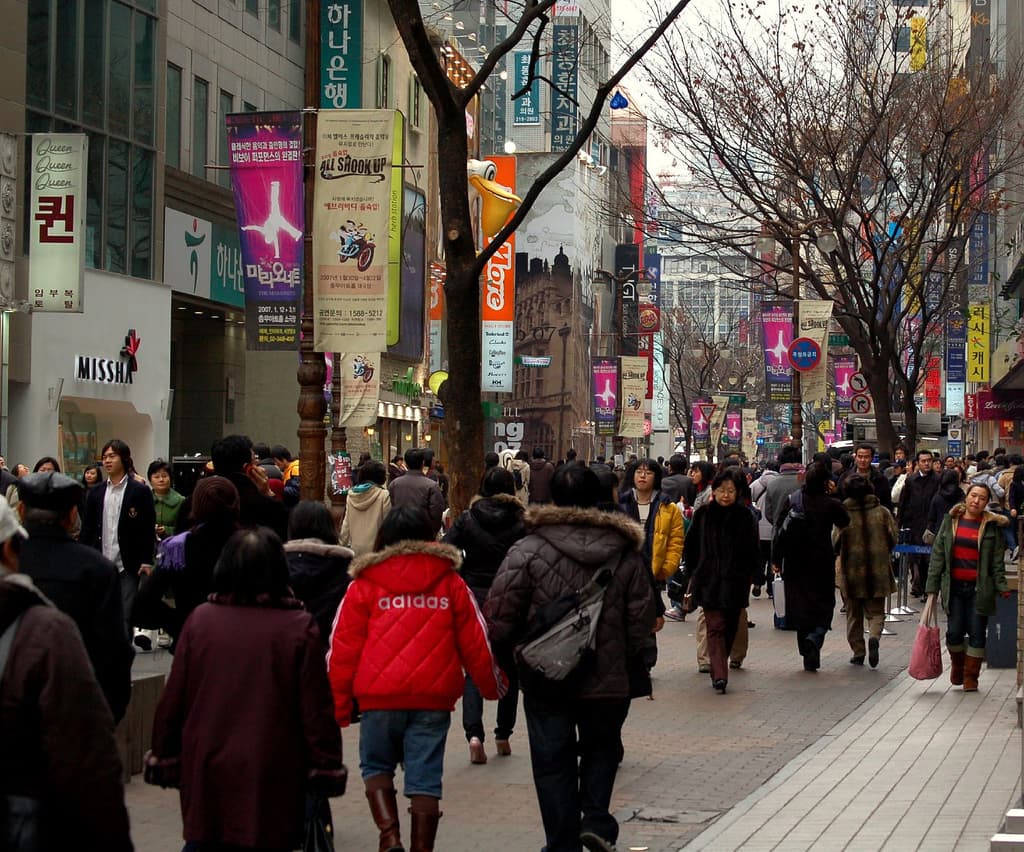
Korea's tourism ground zero: beauty flagships, street-food carts and neon canyons. It anchors KPop Demon Hunters' street scenes and doubles as the launchpad for any K-beauty haul.
Appears in · 1

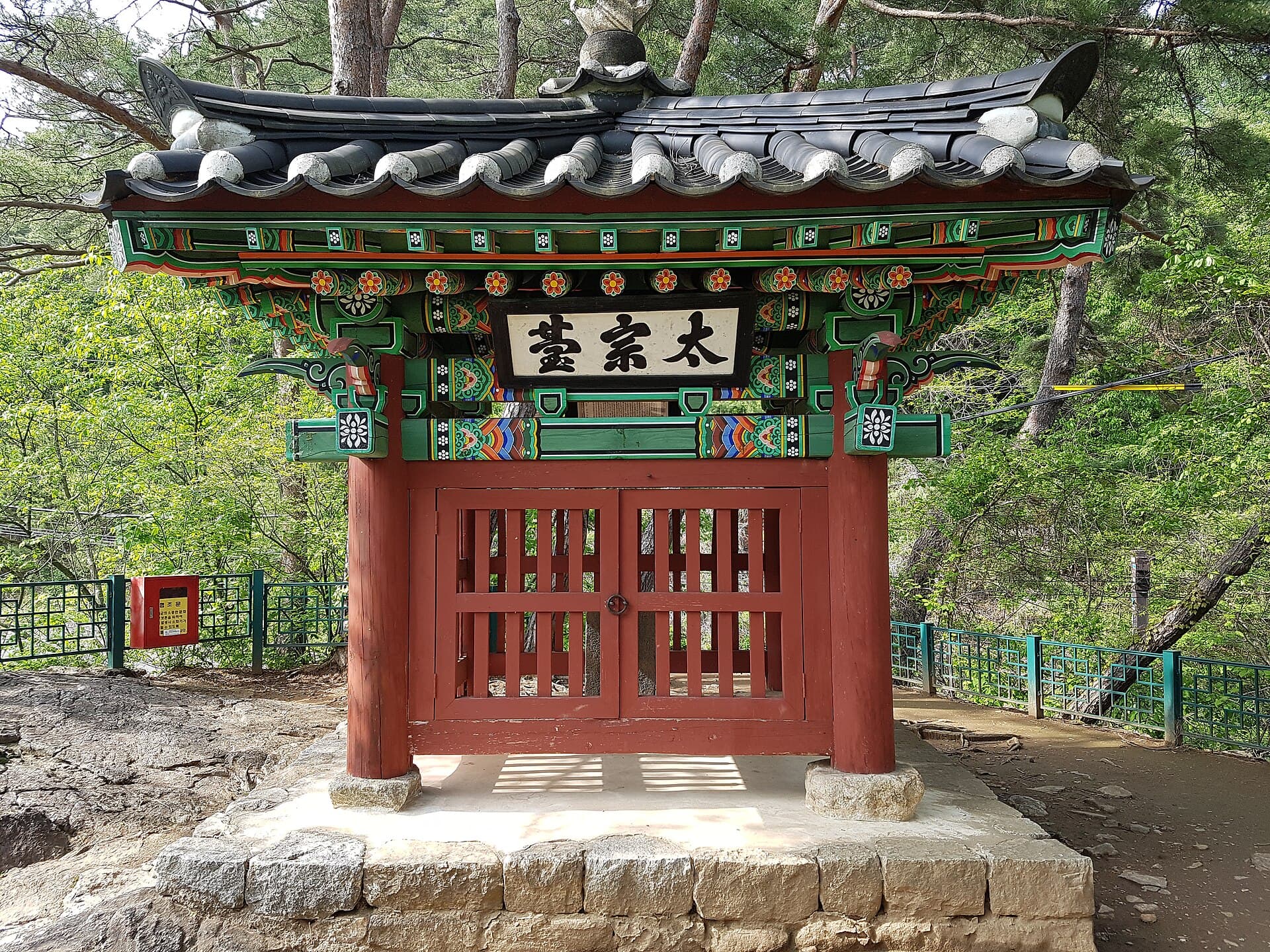
The city's watchtower and the single most-filmed landmark in K-content — from Itaewon Class rooftop shots to the animated finale stage of KPop Demon Hunters. The plaza's love-lock fences and city panorama are open to all.
Appears in · 2

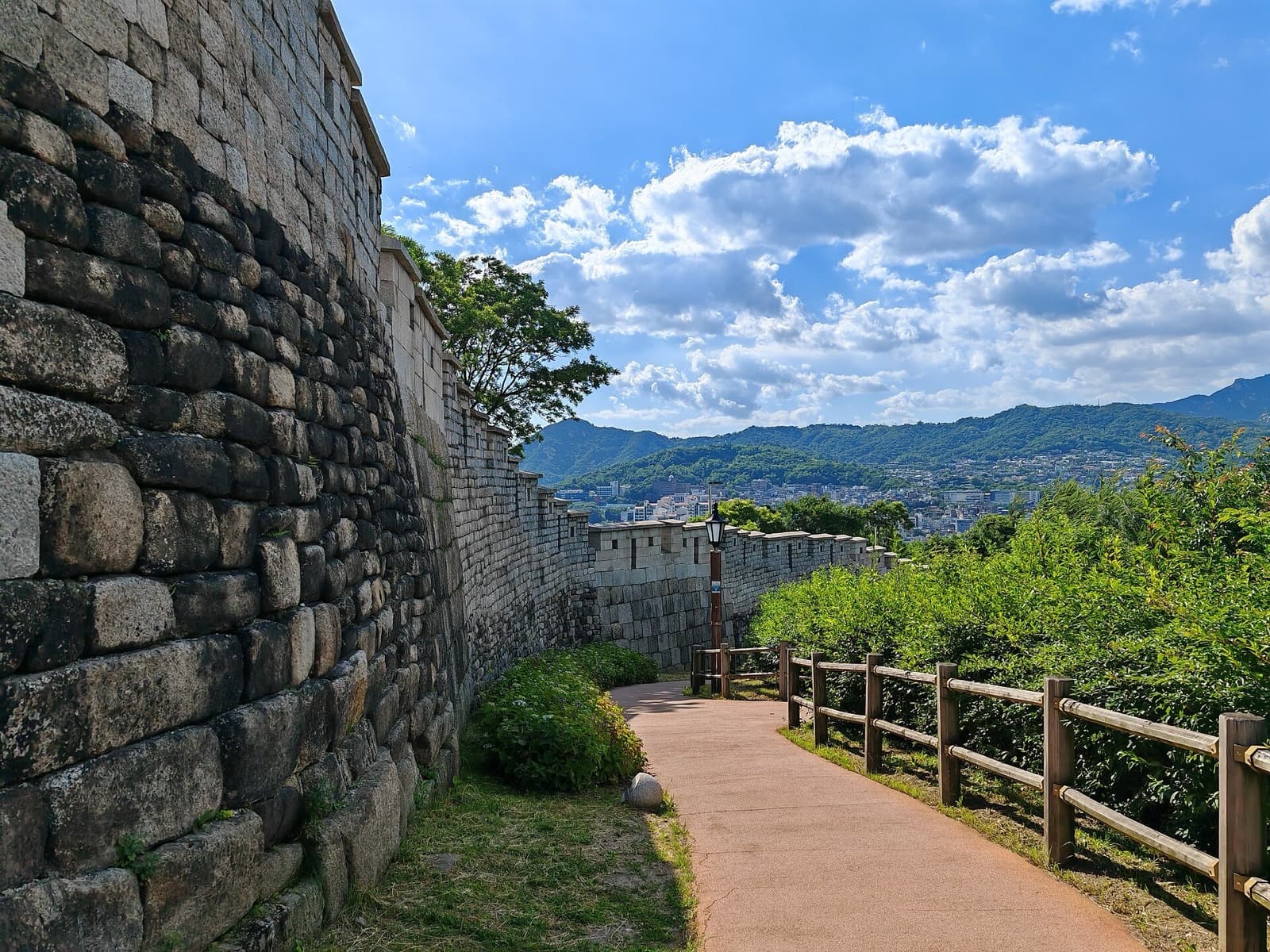
A hilltop park where the old Seoul Fortress Wall snakes above the city — KPop Demon Hunters staged its quiet strategy scenes on these ramparts, with the skyline glittering beyond.
Appears in · 1

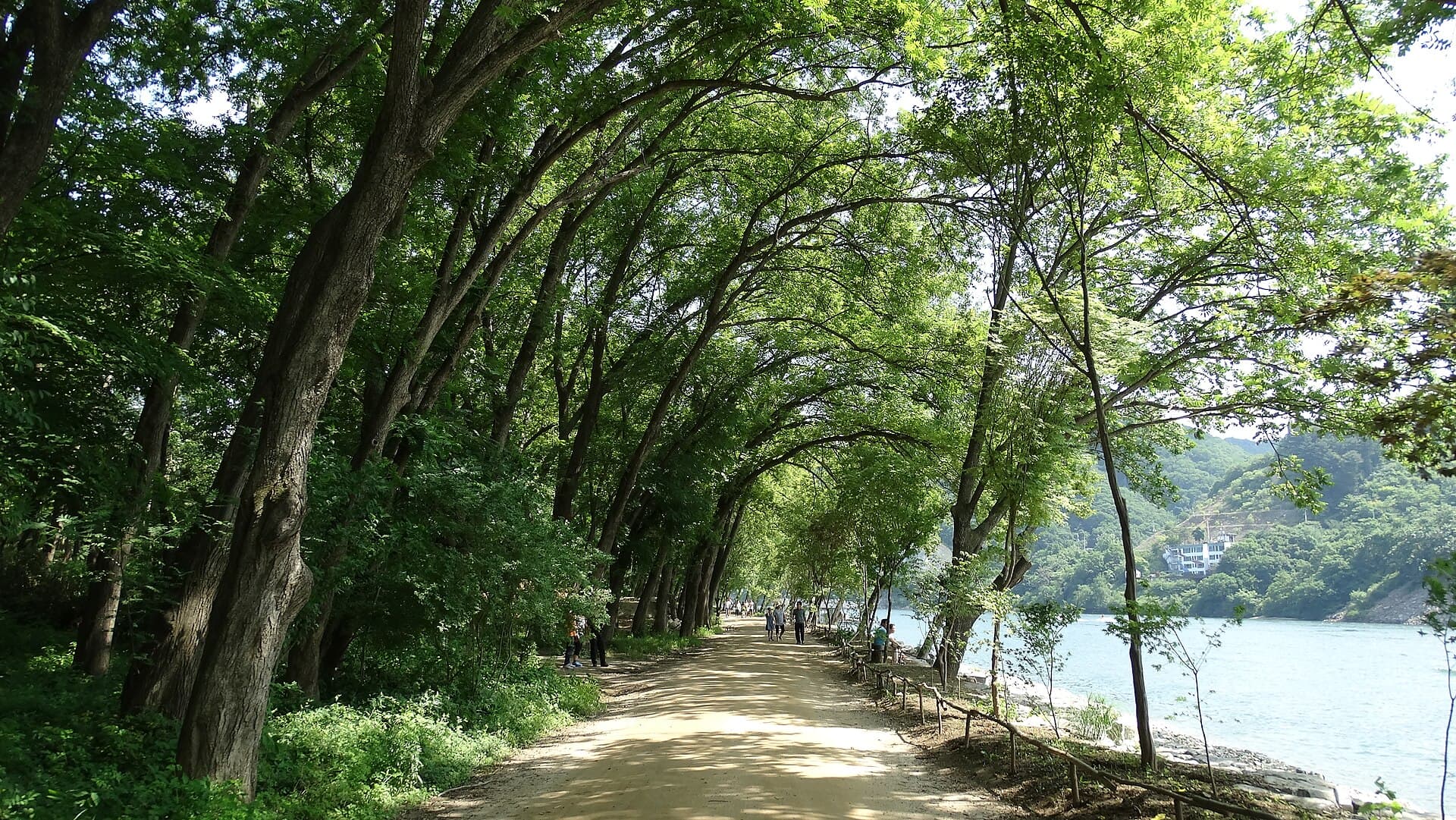
The half-moon river island whose metasequoia lane launched K-drama tourism with Winter Sonata. Now a car-free 'fairy-tale republic' of tree tunnels, ostriches and picnic lawns, still drawing fans from across Asia.
Appears in · 1
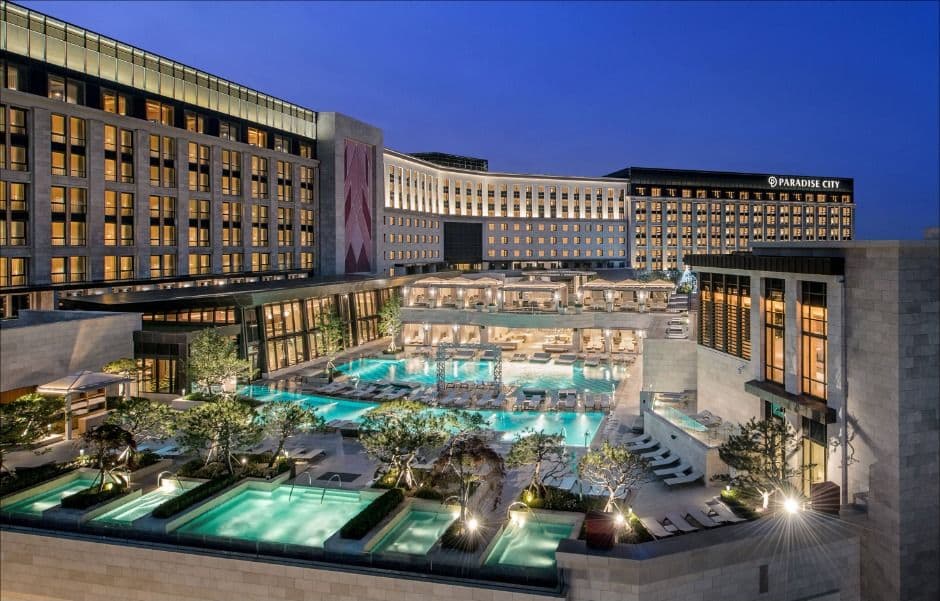
The art-stuffed integrated resort minutes from Incheon Airport that plays 'Paradise' in Single's Inferno — hotels, pools, a chroma nightlife zone and museum-grade installations.
Appears in · 2
The uninhabited sandbar island that plays 'Inferno' — wide tidal beaches and grass dunes, camera-ready in its emptiness. There is no regular ferry; fans usually admire it from Deokjeokdo-area boat tours.
Appears in · 1
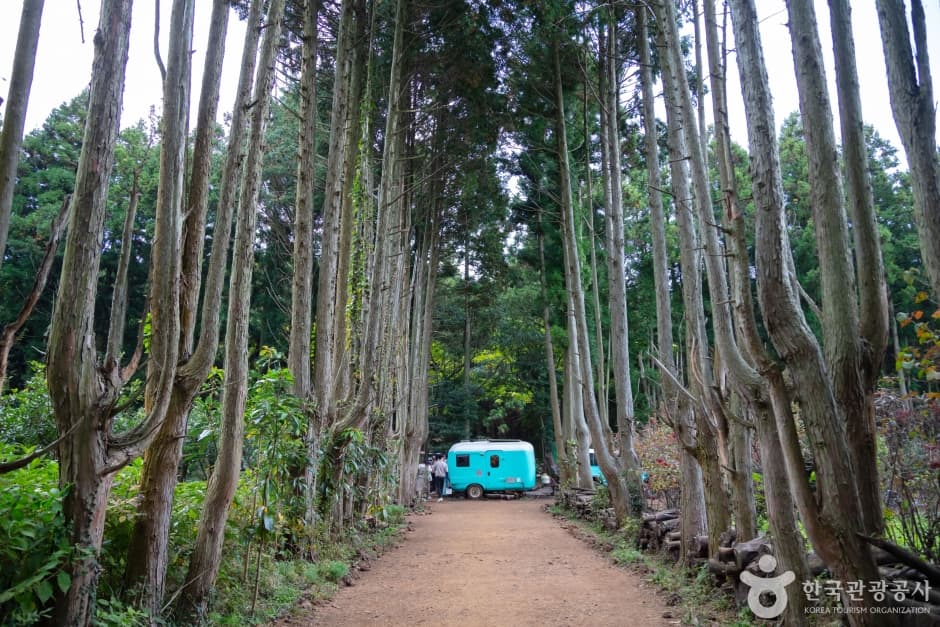
A privately kept cypress forest at the foot of Andol Oreum — arrow-straight trunks, soft light, and the green tunnels that Welcome to Samdal-ri made famous.
Appears in · 1

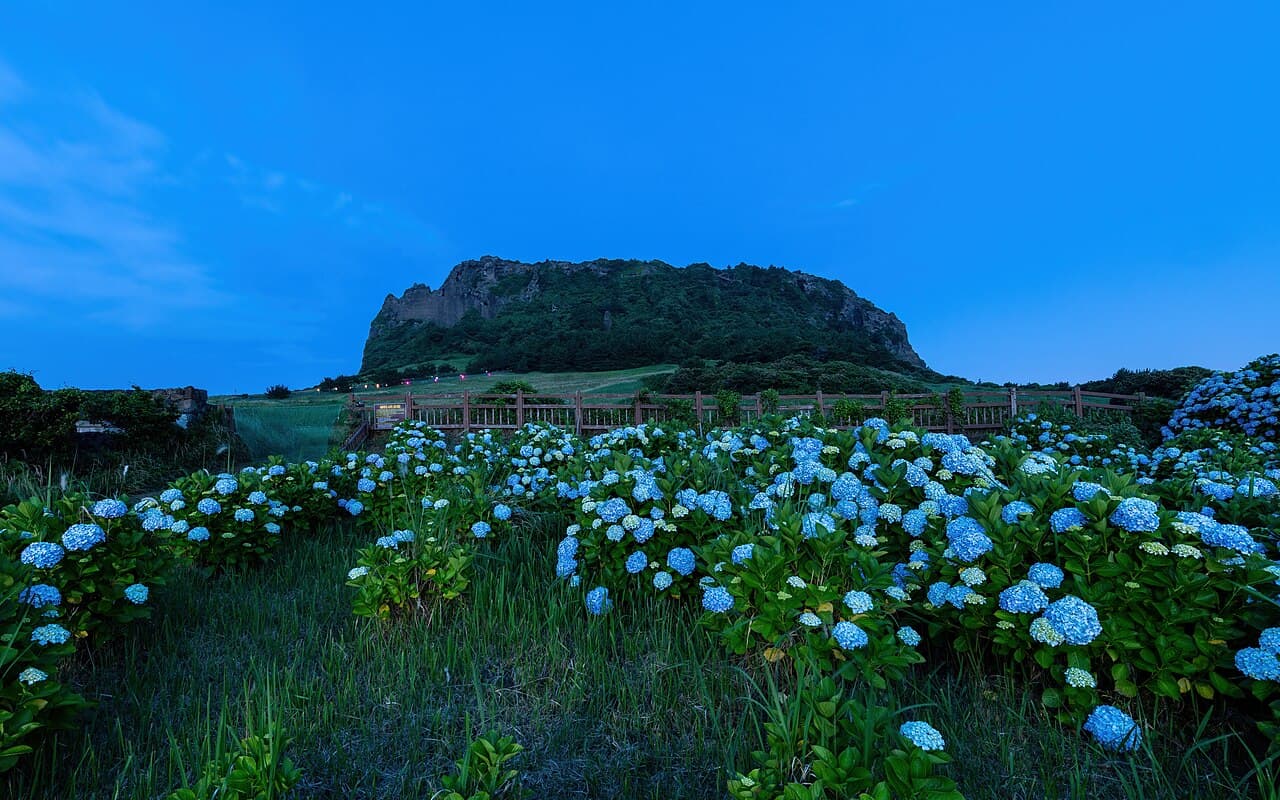
A UNESCO World Heritage tuff cone rising sheer from the sea, crowned by a grassy crater. In When Life Gives You Tangerines it towers over one of the story's most devastating acts of devotion.
Appears in · 1

A wind-combed cape of grassland and volcanic rock facing Seongsan Ilchulbong — carpeted in yellow canola every spring, exactly as in the drama's brightest scenes.
Appears in · 1

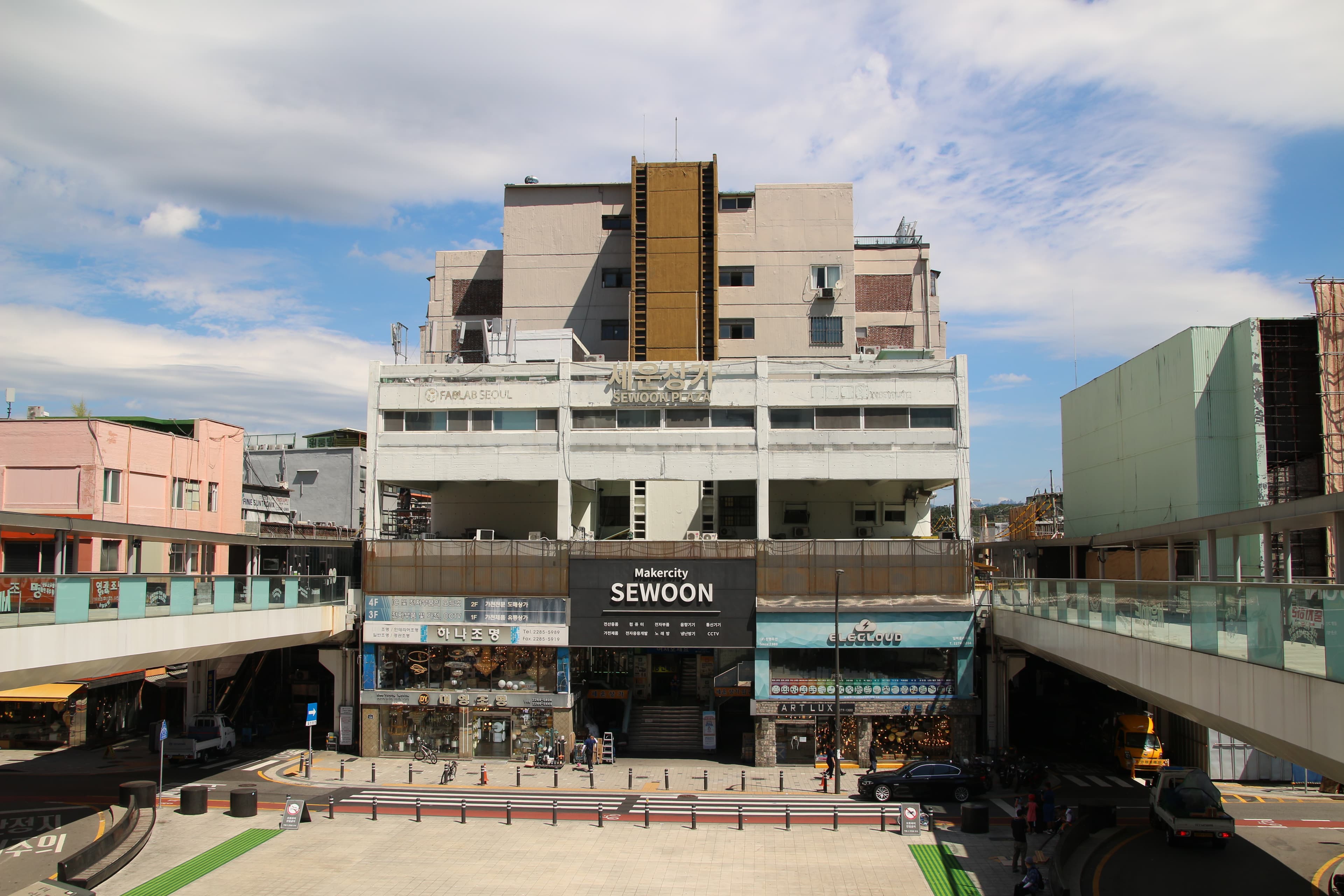
Korea's first mixed-use megastructure (1968) — electronics workshops below, walkways and studios above. As Vincenzo's Geumga Plaza it became a pilgrimage site; as 'Hipjiro' it became young Seoul's favorite retro block.
Appears in · 1
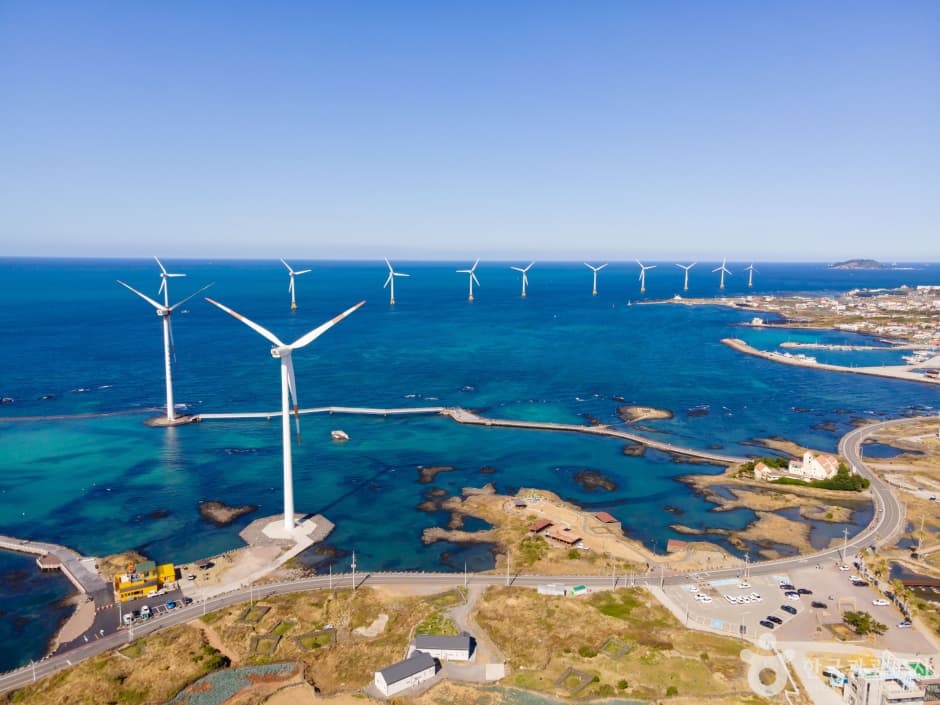
Jeju's far-west coastal drive beneath giant offshore wind turbines — the cinematic road of Welcome to Samdal-ri's transitions and a sunset favorite.
Appears in · 1
Gi-hun's home district in northern Seoul — hillside lanes, mom-and-pop shops and street markets that give Squid Game its working-class soul. An authentic, untouristed slice of the city.
Appears in · 1

Yeongdo's cliff park where pine forest drops into open sea — the coastal Busan of Pachinko's earliest, most tender chapters. Lighthouse terraces, pebble coves and the Danubi trolley loop.
Appears in · 1
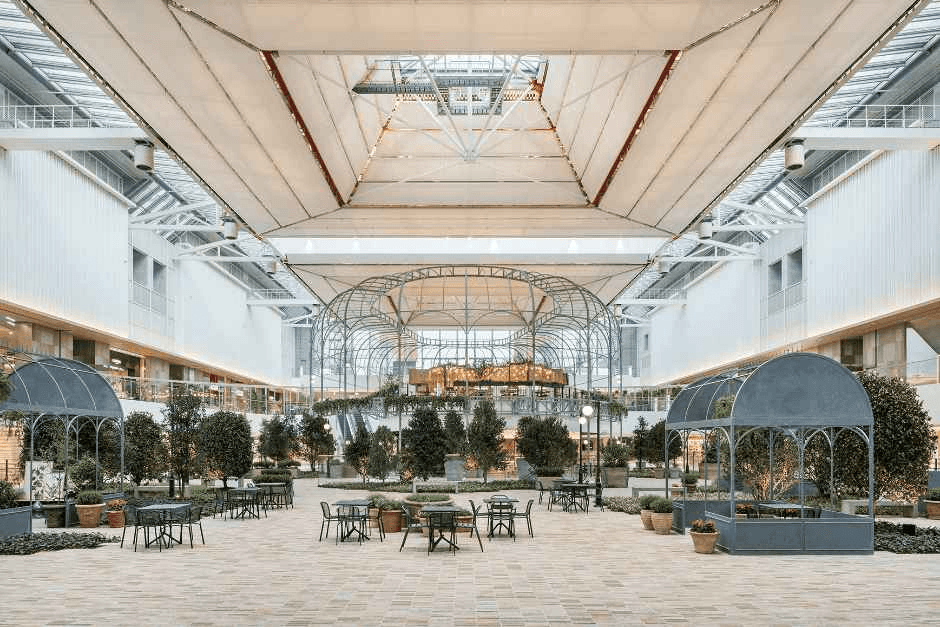
Seoul's most architecturally ambitious department store — a daylight-flooded atrium with an indoor garden — cast as the Queens Department Store in Queen of Tears. Shopping here is literally walking the set.
Appears in · 1
A kilometer-long avenue of centuries-old fir trees leading to Woljeongsa Temple in Odaesan National Park. Goblin's otherworldly forest scenes made it a four-season favorite; in snow it is pure drama.
Appears in · 1
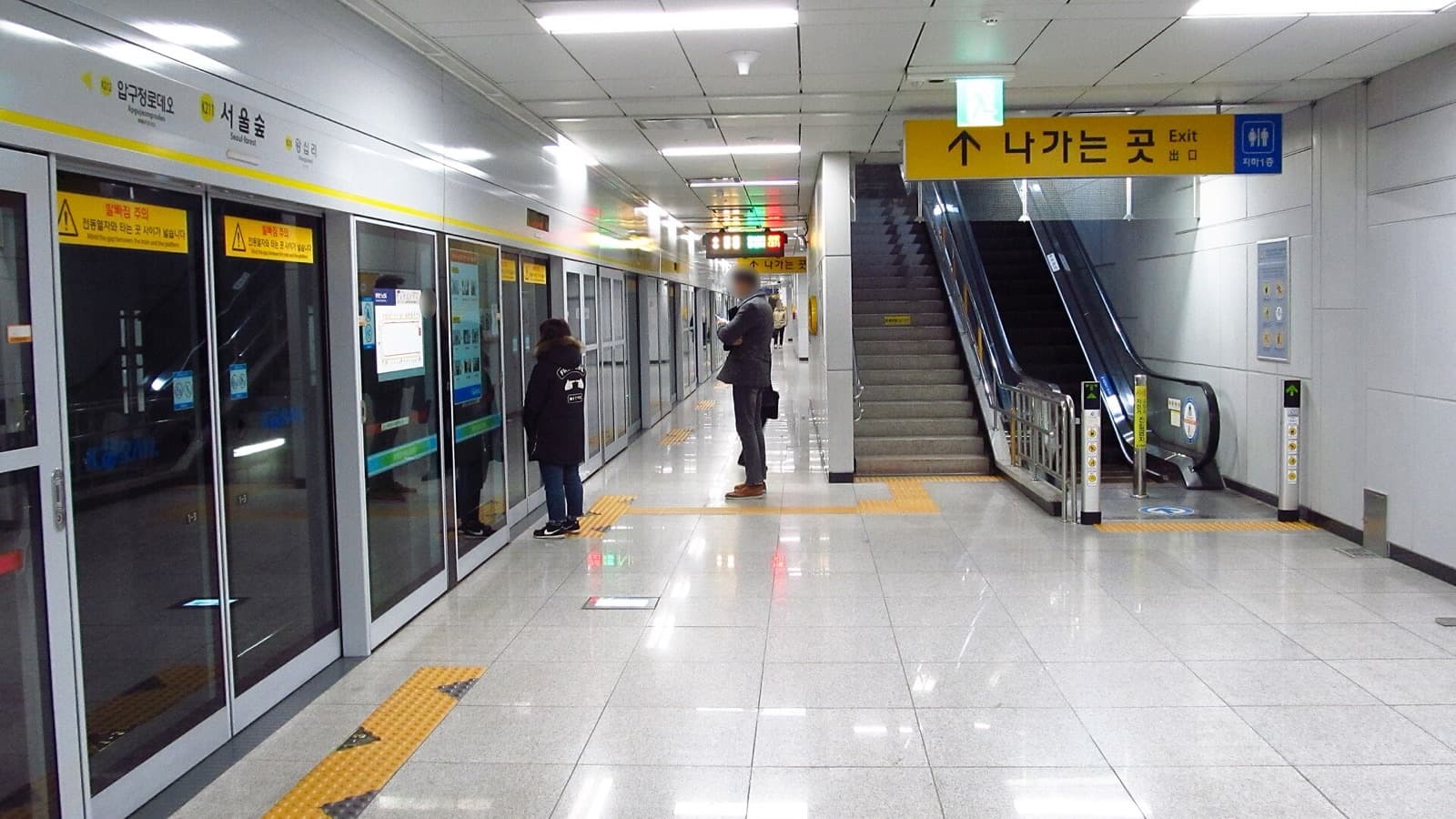
The quiet Sinbundang Line platform where Squid Game's Recruiter plays ddakji with Gi-hun. The adjacent Citizens' Forest park makes it a pleasant, low-key pilgrimage.
Appears in · 1
The low-rise Yongsan lanes that boomed into one of Seoul's hottest food streets — and served as Moving's everyday-Seoul backdrop. Old repair shops sit next to natural-wine bars in the show's exact palette.
Appears in · 1
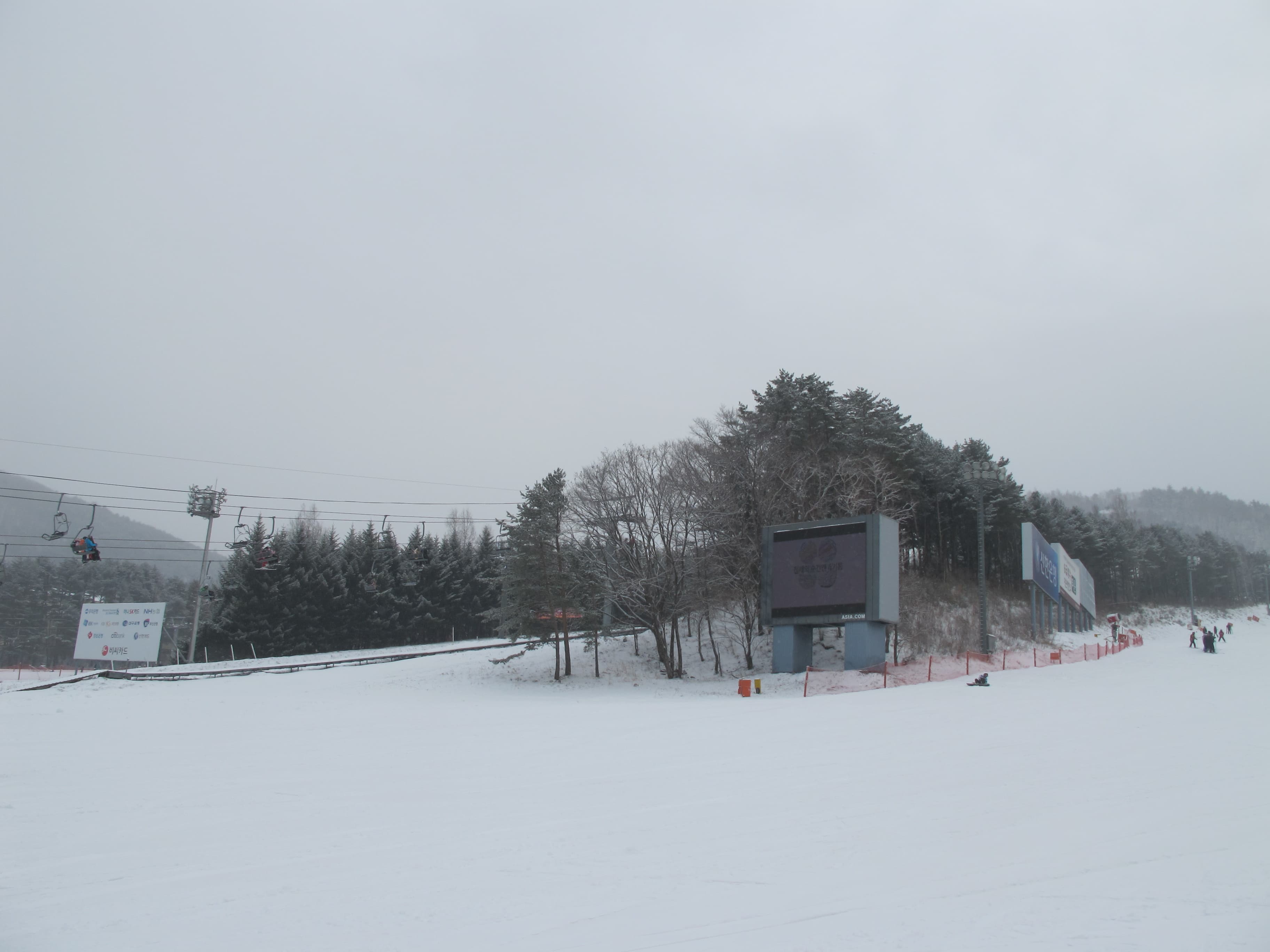
Korea's original alpine resort and a Winter Sonata pilgrimage site — its slopes, gondola and Dragon Peak have appeared in dramas for two decades, including scenes tied to the 2018 Olympics era.
Appears in · 1